
IHSS Training: IHSS+ Home Care Integration
IHSS training, or the “IHSS+ Home Care Integration Training Program (IHSS+),” is a 10-week course that educates and empowers caregivers who provide services to older adults and persons with disabilities through the California In-Home Support Services (IHSS) program. In the IHSS training classes, IHSS providers learn how to take on the enhanced roles of Monitor, Communicator, Coach, Navigator, and Care Aide while developing the skills needed to be integrated into the consumers’ Care Teams.
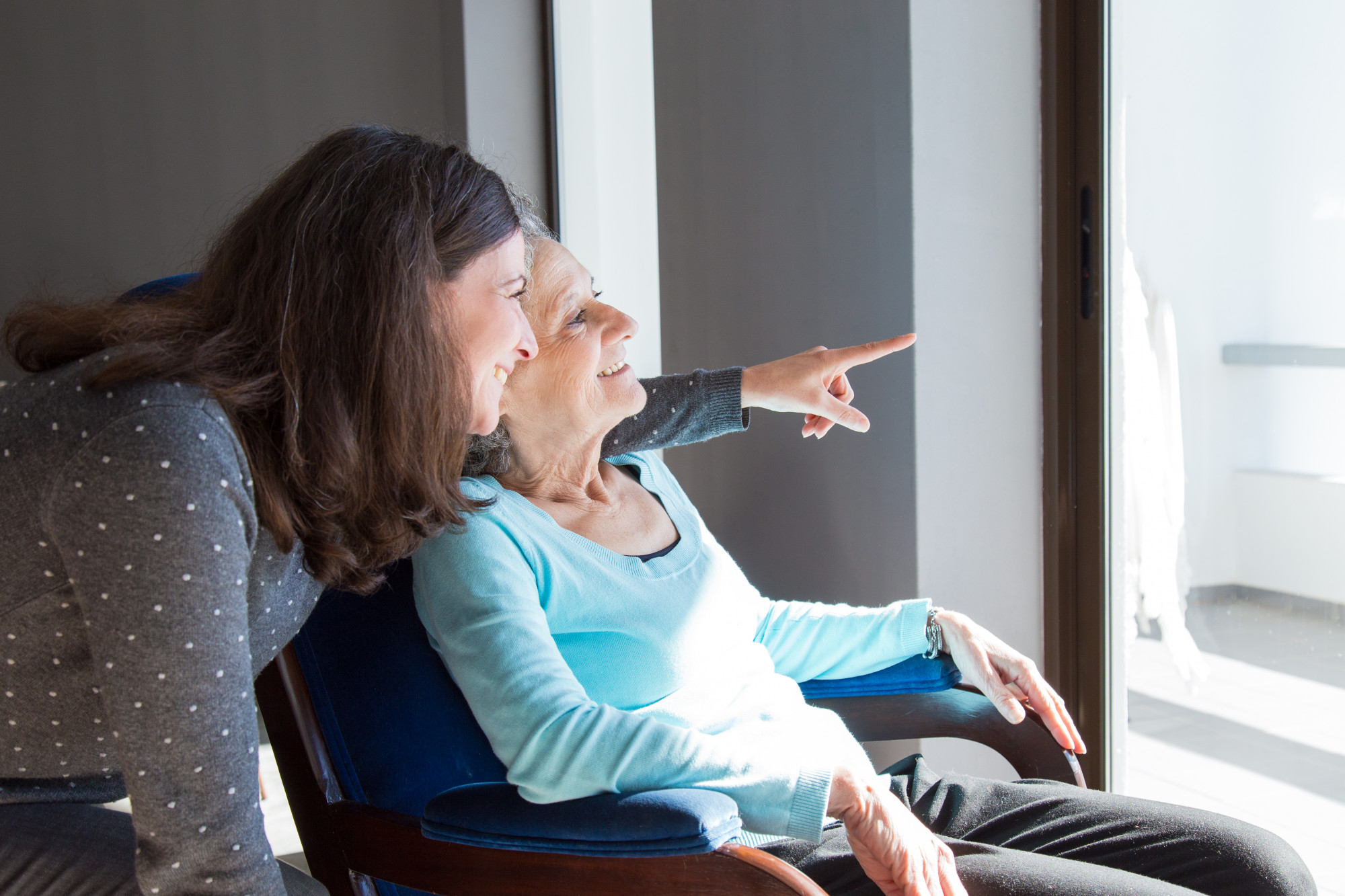
The unique partnership between the Center for Caregiver Advancement (CCA), L.A. Care Health Plan and SEIU Local 2015 has resulted in free IHSS training programs that develop a workforce of caregivers who are confident, highly skilled, and integral to their consumers’ overall health and well-being.
Format: Real-time online learning led by instructors via Zoom
Length: 10 weeks
Languages offered: English, Spanish, Armenian, Mandarin
Eligibility: Must be an IHSS provider in California whose consumer is an L.A. Care Health Plan Umbrella member
Sign up for this course by clicking a button below to access the enrollment form in your language:
If you have questions about the L.A. Care: “IHSS+ Home Care Integration Training Program,” email us at: studentaffairs@advancecaregivers.org
Here’s what you will learn in this “IHSS+ Home Care Integration Training Program” 10-week course:
Module 1: Personal and Home Safety
This module focuses on home safety for consumers and caregivers. Caregivers are at high risk of workplace musculoskeletal injuries because of the ongoing physical support they give to the consumer, so you will learn and practice good body mechanics to avoid injury. Certain consumers are at increased risk of falls, so fall prevention strategies will be introduced.
Module 2: Provider and Consumer Communication
Participants will learn about person-centered care and practice practical communication skills, including how to discuss a problem with a consumer effectively. This module also introduces Motivational Interviewing, which is a set of tools and techniques to help people overcome barriers, make changes, and achieve their goals.
Module 3: Medication Safety
In this module, participants will learn various safety considerations for assisting with medications. They will also be introduced to effective techniques and tools for medication management, including strategies for addressing situations in which consumers refuse to take their medication.
Module 4: Mandated Reporting and Documentation
This module introduces the roles and responsibilities of home caregivers, particularly as mandated reporters in cases of suspected abuse, neglect, or exploitation. The enhanced roles of caregivers in the consumer’s care team are emphasized, along with the accompanying skills of observation, monitoring, documentation, and reporting.
Module 5: Case-Based Scenarios and Skills Practice
In this module, you will put into practice everything you have learned in the first few weeks of training through practical case studies. You will share the basic components of Health and Safety, apply key information in real-life situations, and reflect on how to incorporate these lessons into the care you provide to consumers.
Module 6: Standard Precautions & Infection Control
This module introduces providers to key standard precautions and infection control measures. Participants will learn why standard precautions and infection control are necessary and discuss how to implement these practices in their consumers’ care to prevent transmission of communicable diseases. Participants will discuss how to provide care and comfort to those with diseases. Additionally, procedures for preventing pressure sores will be addressed. This course emphasizes the provider’s role as a member of the consumer’s care team, assisting the consumer in recognizing the dangers of pressure sores, seeking appropriate care, and monitoring the condition of sores under treatment.
Module 7: Assisting with Personal Hygiene
In this module, participants will review how to assist consumers with maintaining personal hygiene, such as oral and denture care, bathing, dressing, and using the toilet. They will explore special considerations for helping a consumer with these tasks and learn how to effectively address situations in which a consumer refuses to engage in a personal hygiene activity.
Module 8: Food Safety & Nutrition
This module explores the vital role caregivers play in ensuring that food is safe to eat. It covers the factors to consider when preparing food for individuals, as well as the causes and effects of food poisoning. Types of food poisoning and their signs and symptoms are also introduced.
Module 9: Self-Care
In this module, participants will learn about self-care and the importance of engaging in it regularly to reduce stress and to maintain both short- and long-term health and well-being. The module will also cover strategies for recognizing burnout and reducing caregiver stress.
Module 10: Competency Check
At the end of the course, after students have completed all previous modules, they will demonstrate key caregiving skills learned during training. In this module, care providers must complete four hands-on competency checks—proper handwashing, oral care, body mechanics, and assisting with dressing—and take a written assessment consisting of instructor-issued questions.
Related Reading: CCA Training May Reduce ER Visits, Healthcare Costs
