All Stories

Training Home Caregivers Pays Off

According to an article in Modern Healthcare by Maria Castellucci, home caregivers spend more time with care recipients than others, so they are the ones in critical need of training. However, Castellucci reports that home-care providers usually receive very little formal training before they are approved by the state or federal government to provide care to people with long-term conditions or complex diseases.

Home Caregivers Can Be Trained in Skills That Improve Safety & Wellness

The demand for home care is growing rapidly as the U.S. population of people aged 65 and older increases. Many older adults seek care in a home setting. Home care providers are typically laypeople with no healthcare background. Yet, training in professional caregiving skills is essential to ensure complex patients are well cared for. Additionally, skilled care at home can help people avoid unnecessary readmissions to hospital, according to John Baackes, former CEO of the L.A. Care Health Plan, a Medicaid insurer.

Since 2017, L.A. Care has invested in training for the In-Home Supportive Services (IHSS) providers who care for plan members. California already pays IHSS providers caring for Medicaid beneficiaries between $13 and $14.75 an hour depending on the county. However, writer Castellucci reports that training for IHSS providers isn’t required.

A 10-Week Home Caregiver Training Program That Makes a Difference

The L.A. Care IHSS+ 10-week training program, which is provided by the Center for Caregiver Advancement (formerly the California Long-Term Care Education Center), allows Medicaid members to select their own IHSS providers. For this reason, their IHSS care provider is often a family member with minimal healthcare knowledge.

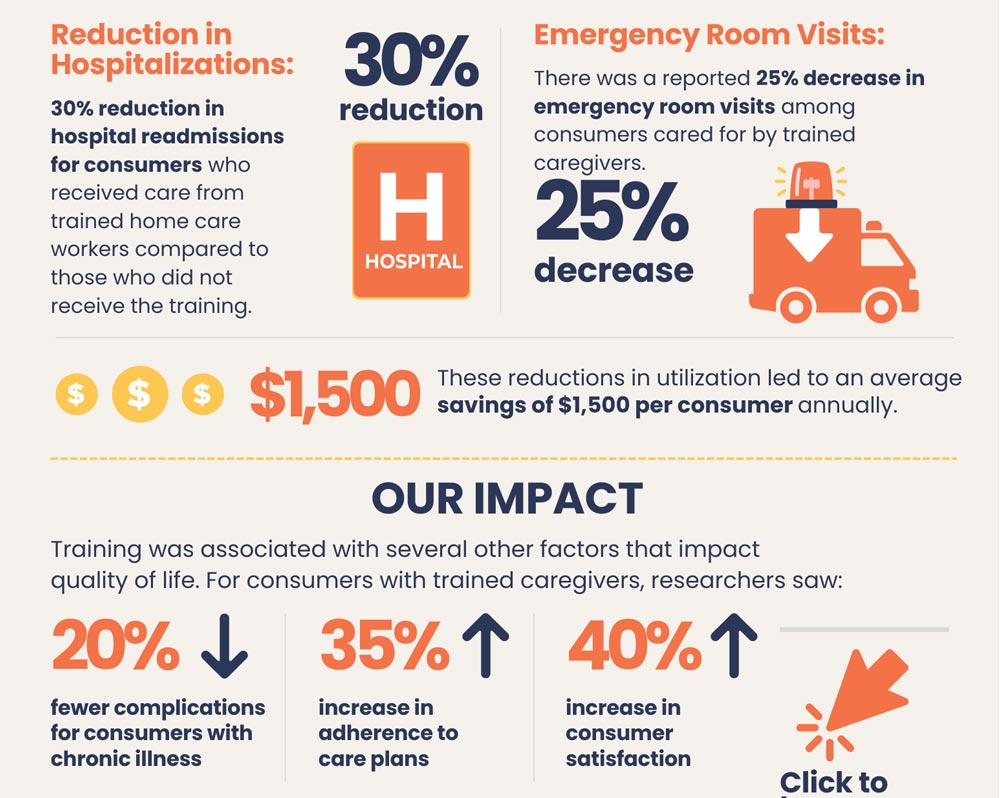
L.A. Care’s training program provides healthcare knowledge that has proved to be effective. Plan members receiving care from trained IHSS home caregivers experienced health improvements. Twenty months after graduation, L.A. Care members with IHSS care providers who completed the training saw:

  • 42% decline in ER visits
  • 60% decline in hospitalizations

For IHSS provider Sandra Owens Taylor, the caregiver training has improved her confidence on the job. A home-care provider for more than 20 years, she said it was helpful to be refreshed on core skills and to learn new topics. For instance, she didn’t know L.A. Care would pay for handrail installation and personal protective equipment. ‘My understanding has been heightened,’ she said.

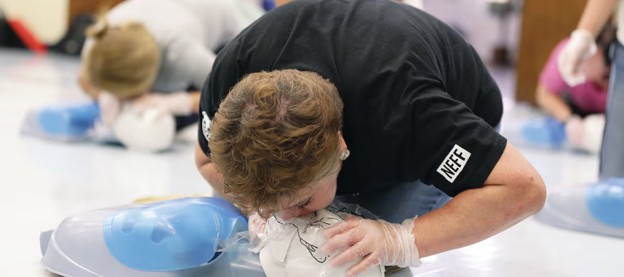
The curriculum is taught in six languages in classes that are offered once weekly over 10 weeks, covering caregiving essentials such as infection control, nutrition, home safety, and CPR, among other skills.


This content is curated from an article that first appeared online in an August 2020 edition of Modern Healthcare. To read the original article, please visit:

“Investments in Training Home-Care Providers Paying Off.” Modernhealthcare.com, 22 Aug. 2020, www.modernhealthcare.com/care-delivery/investments-training-home-care-providers-paying/. View PDF of article.

Photo Credits: L.A. Care Health Plan, Modern Healthcare

Related Reading:
https://advancecaregivers.org/l-a-care-ihss-training-program/

Essential Skill of Active Listening

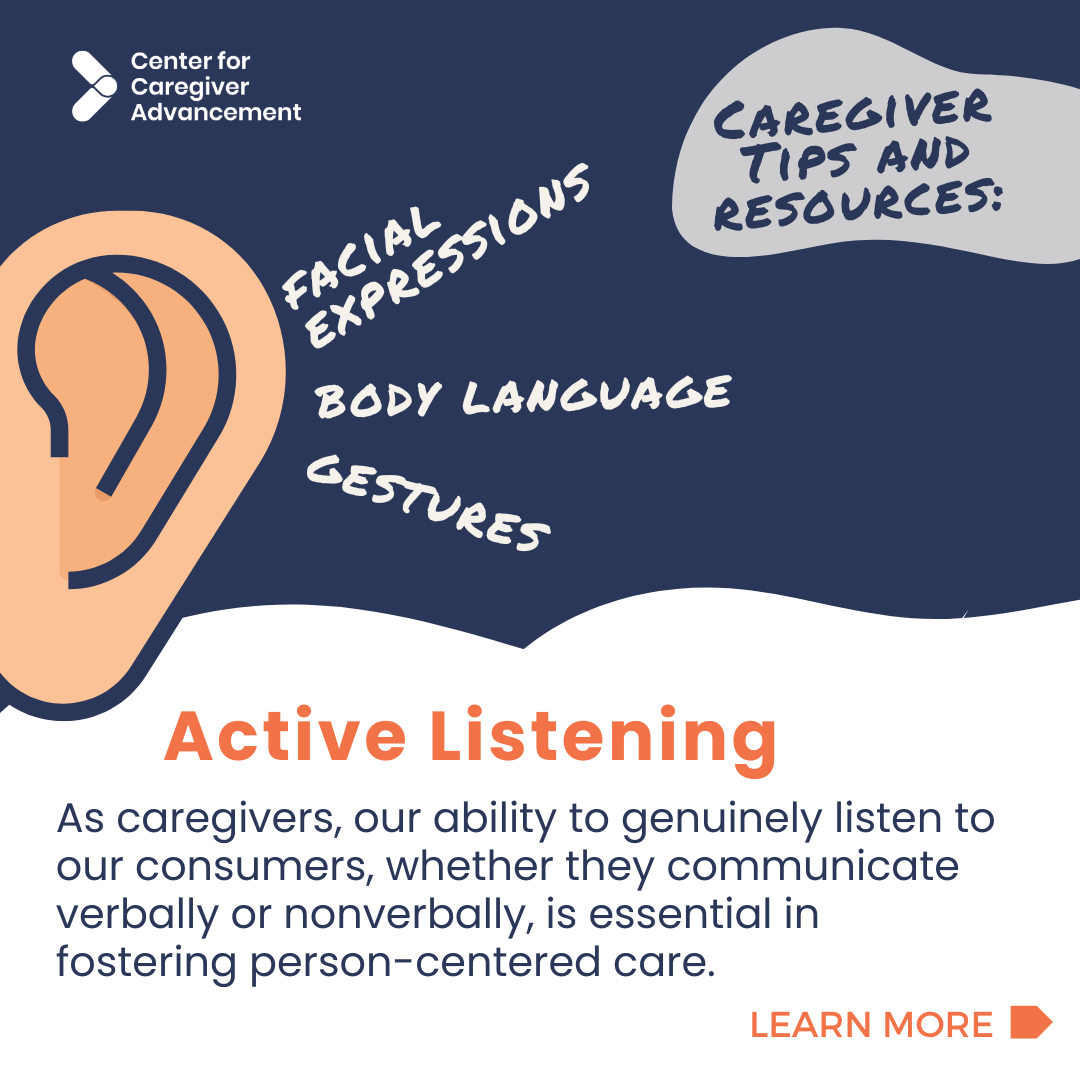
As caregivers, we must practice active listening. We must strengthen our ability to genuinely listen to our consumers, whether they communicate verbally or nonverbally. This is essential in fostering person-centered care. 

Active listening is more than simply hearing words; it involves engaging fully with the speaker. It is an active effort to understand their message, and respond thoughtfully. In caregiving, active listening means being present and attentive, whether the individual is expressing their needs, concerns, or emotions verbally or nonverbally.

The Importance of Active Listening in Caregiving

1. Establishing Trust and Building Relationships: Active listening forms the foundation of trust between a caregiver and the individuals in their care. By demonstrating genuine interest and attentiveness, caregivers create an environment where consumers feel valued, heard, and understood. 

2. Enhancing Communication: Effective communication is vital in caregiving. Active listening allows caregivers to decipher not only the spoken words but also the underlying emotions, nonverbal cues, and subtle changes in behavior. By understanding these aspects, caregivers can respond appropriately and provide the necessary support.

3. Identifying Individual Needs: Every person has unique needs and preferences. Knowing their needs allows caregivers to develop personalized care plans that promote independence, well-being, and a sense of autonomy.

Practical Strategies for Active Listening

1. Focus on the Speaker: Give your undivided attention to the person you are caring for. Maintain eye contact, use open body language, and minimize distractions. Show that you are fully present and ready to listen.

2. Nonverbal Cues: Pay attention to nonverbal cues such as facial expressions, gestures, and body language. These can provide valuable insights into the person’s emotional state and help you understand their message beyond words.

3. Practice Empathy: Put yourself in the person’s shoes and try to understand their perspective. Empathy allows you to connect on a deeper level and respond with compassion and understanding.

4. Reflect and Clarify: After the person has expressed themselves, summarize their message to ensure you understood correctly. Seek clarification if needed, without making assumptions. This shows that you value their input and want to ensure effective communication.

5. Be Patient: Some individuals may require more time to communicate or express themselves. Be patient and give them the space they need. Avoid rushing or interrupting, as it may hinder their ability to convey their thoughts and feelings effectively.

6. Practice Active Responding: Respond thoughtfully to the individual’s words and emotions. Acknowledge their feelings, validate their experiences, and provide reassurance when necessary. Your responses should demonstrate your understanding and support.

The Emotional Realities of Alzheimer’s Caregiving

In his mind, Carlos Corona has two mothers. One is of the past, the mother who was vibrant and energetic and could do everything. The other sits across from him today, with Alzheimer’s disease and unable to recognize her oldest son.

“Once in a while, you look out of the corner of your eye, and think, those two pictures don’t go together,” he said. “And then you have to come back (to reality). Now it’s easier and faster for me to come back from those brief moments.”

For that skill, Carlos credits the training he received at the Center for Caregiver Advancement (CCA) in the IHSS+ training for caregivers taking care of older adults showing signs of Alzheimer’s disease and related dementias (ADRD). The program is offered in partnership with the California Department of Public Health, UC San Francisco, and Alameda Alliance for Health.

IHSS Providers Can Learn Skills Specific to Caring for People with Alzheimer’s

As an In-Home Supportive Services (IHSS) provider, Carlos already had been taking care of his mother for 10 years before he discovered the free training. He had taken her into his home after she started exhibiting symptoms of Alzheimer’s in her late 50s. She is now 76.  

“I took my mother to live with me not knowing what I was up against,” Carlos said. “In the beginning, she was able to do everything. She could go to the fridge and get lettuce and tomatoes. Now she doesn’t recognize what a fridge is, what a tomato is, so I have to work through that process.”

Even though he had a lot of experience as a caregiver before he completed the training at CCA, Carlos said the program was still useful.

Helpful Insights and Tools to Use When Caring for Someone with Alzhiemer’s

During the 10-week, 35-hour program, participants learn more about the progression of Alzheimer’s disease and dementia, how to manage hallucinations and repetitive behaviors, assist with personal hygiene, prevent wandering, reduce caregiver stress and avoid burnout. Caregivers also undergo CPR certification training. They receive a stipend at the end of the program.

“One thing that impacted me which I never thought about until I took this course is [that] my elderly mother remembers me in the past and not in the present,” Carlos said. “Because I am with her on a daily basis, I took it for granted that she knew who I was. But she only recognizes the son she had 10, 15 years ago and she doesn’t recognize my face today, and that never occurred to me. She doesn’t recognize my face. That’s the thing that impacts me the most.”

That realization prompts him to be more patient today, and not insist on doing things his way, Carlos said.

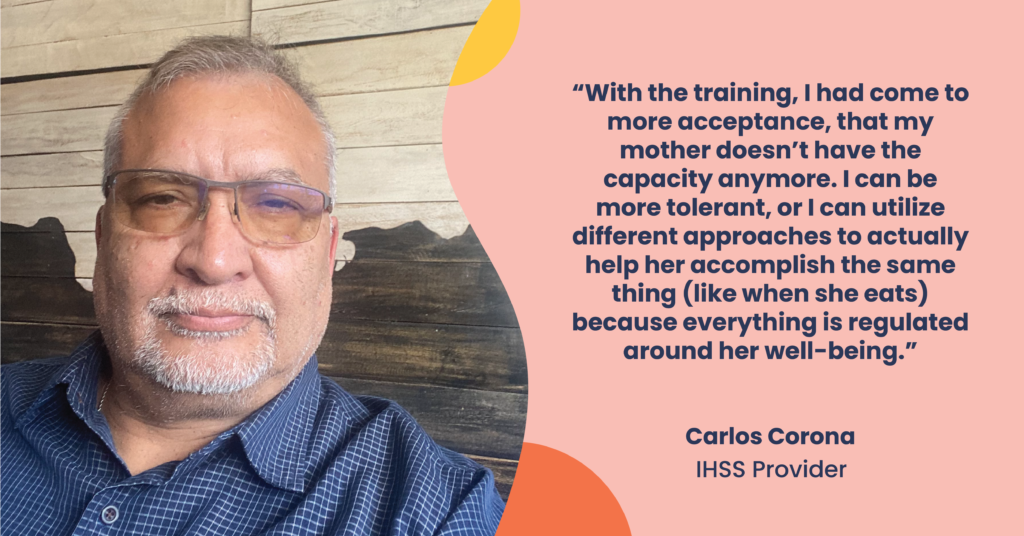
“With the training, I came to more acceptance, that my mother doesn’t have the capacity anymore,” he said. “I can be more tolerant, or I can utilize different approaches to actually help her accomplish the same thing (like when she eats) because everything is regulated around her well-being.”

In the past, Carlos said he would walk away and leave his mother when she got agitated. Now, he stays and redirects the conversation from anger and hostility to calm and peace.

“I talk to her about her life before dementia and she kind of gets engaged in that,” he said.

It is bittersweet that as the disease progresses, his mother only remembers life from about the 1950s to 2000.

“I have to go back in time,” he said. “Everything beyond that is cut off.”

He will repeat instructions and questions, hoping something will make sense for his mother. She is still mobile and able to walk. But Alzheimer’s has brought her panic attacks and anxiety, which is now managed with medication.

Carlos said caring for someone struggling with Alzheimer’s is like trying to fit a key into a keyhole in the dark.

“You keep trying,” he said. “Before she goes to sleep, I gotta take her to the bathroom. She says, “Yes, I do want to go to the bathroom.” But once we get to the bathroom, she forgets. So we come out again. And we do that about three or four times and one of those times, she’ll remember. So we have to keep doing it, hoping that one of those times, it will click.”

The pandemic put a stop to the activities that got mother and son out of the house, and Carlos said he has learned to do more exercises with her.

“If my mother didn’t have Alzheimer’s she would probably outlive us all,” he said. “She doesn’t have high cholesterol, she has no diabetes, none of that. She doesn’t need any medication for her lungs or heart or kidneys. It’s just the brain, you know. Right now, she has a hard time trying to pull up the words when she’s willing to communicate with me.”

But her son does find words to describe his life and role as a caregiver. He said it is a choice and a commitment.

“Being a caregiver is a very noble profession,” he said. “I don’t think we quite grasp it, how much good we do. You need to be proud that you’re doing what you’re doing because not everyone is willing to do it. That’s how you give back to humanity, this is how you make a difference.”

Carlos said he gets help from one of his three siblings, one weekend out of the month. Otherwise, it is up to him to give his mother compassionate and dignified care.

“The best part of my day is when my mother is comfortable,” he said. “When you can see that she’s happy. You know that she ate well, she slept well. She’s clean. She took her shower, or she let me give her a shower without any resistance. And we’re on the couch and she’s watching TV, and she’s kind of engaging with the TV. You don’t see any anxiety on her face. No panic. That’s probably my daily reward. I think that would be the best time.”

Report: The Impact of Offering IHSS Training in Multiple Languages

As California’s largest provider of free and accessible caregiver training, the Center for Caregiver Advancement (CCA) makes sure our programs are understandable to as many as possible. By offering our courses in many languages, we strive to create spaces where all caregivers can learn, regardless of background.

Offering Caregiver Training in Multiple Languages

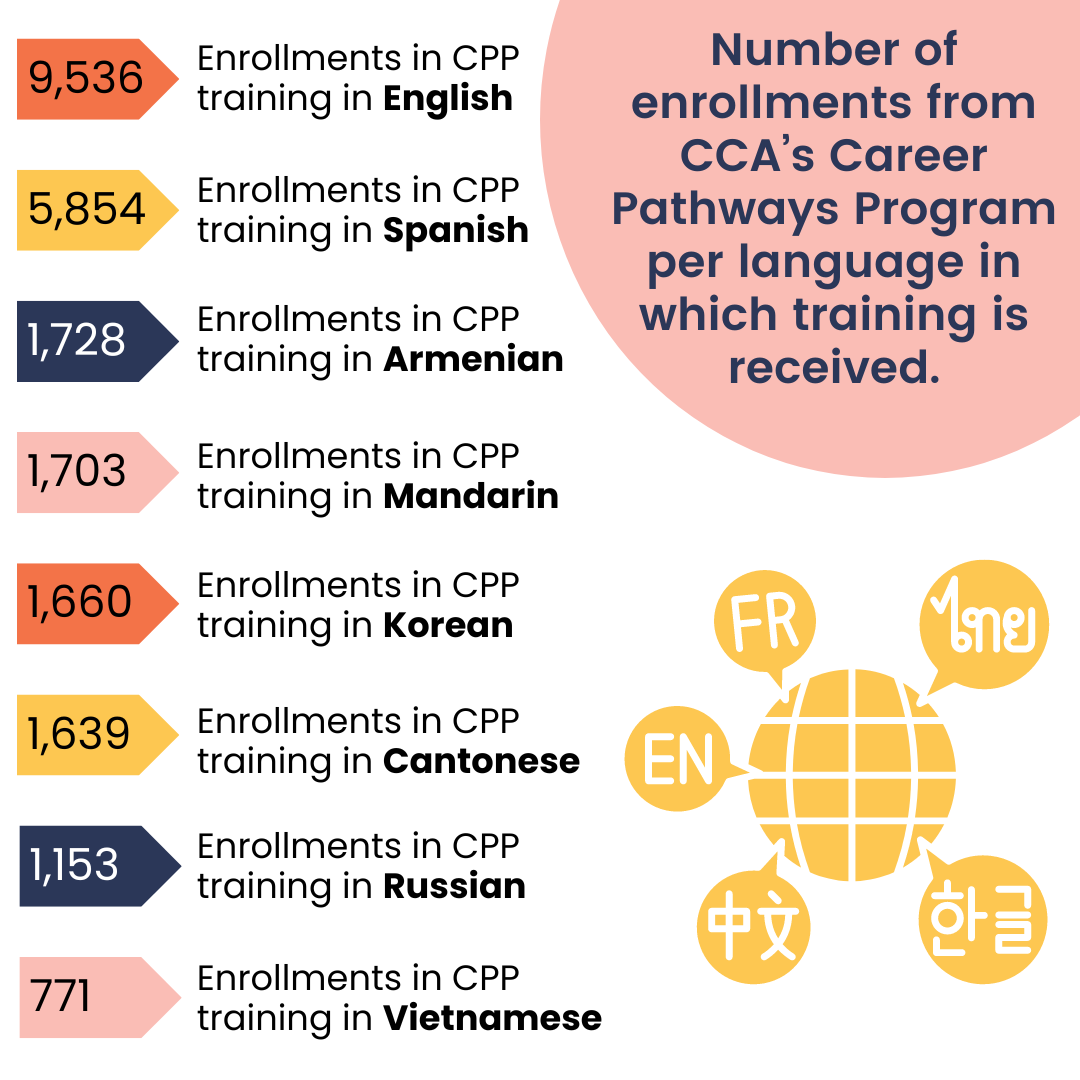
Accordingly, CCA offers In-Home Supportive Services (IHSS) training in multiple languages. For the state’s IHSS Career Pathways Program, CCA teaches the courses in seven languages in addition to English: Spanish, Korean, Mandarin, Armenian, Cantonese, Russian, and Vietnamese.

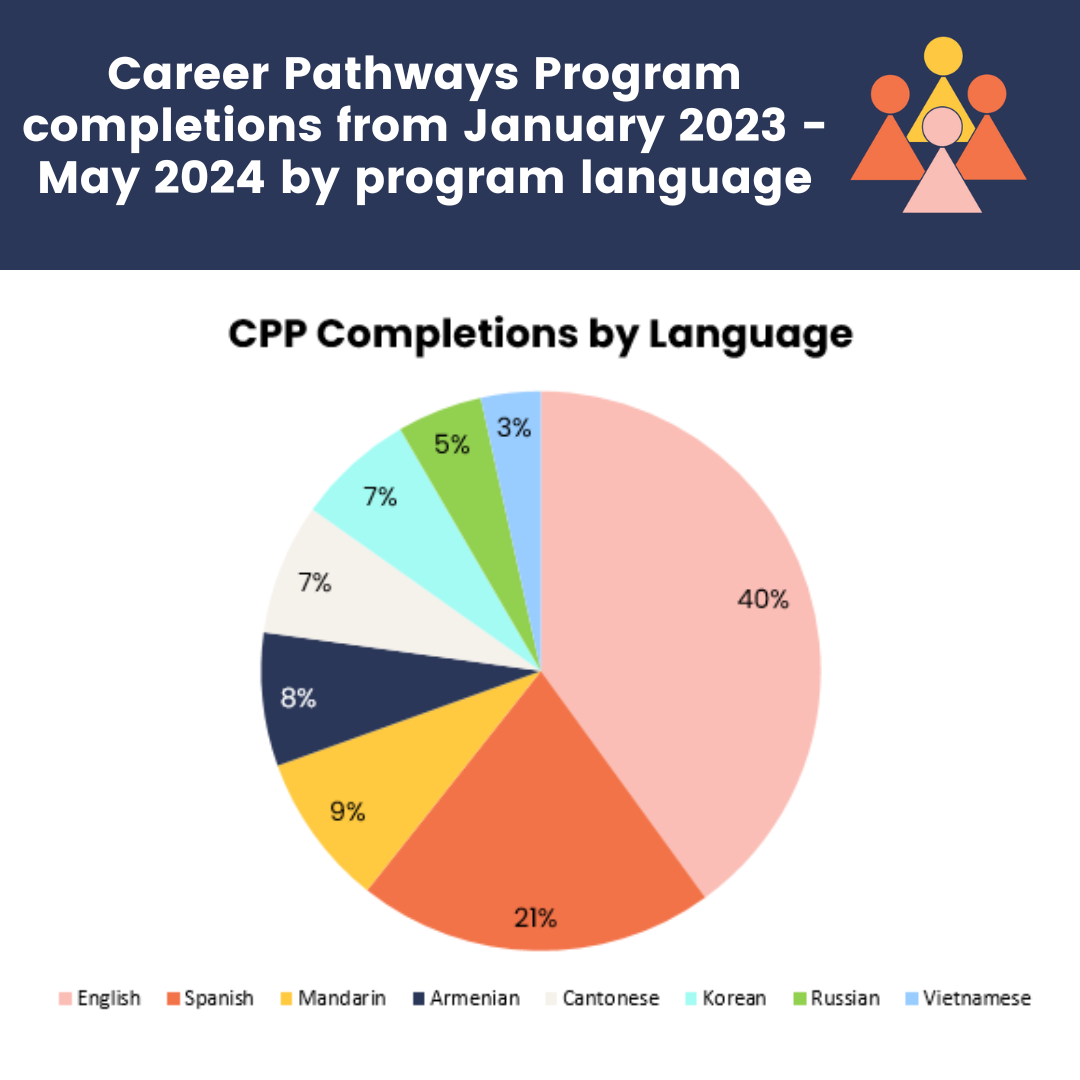
The majority of caregivers who completed the CPP took the training in a language other than English.   

Quality of care should not be limited by language barriers for immigrant communities. Offering IHSS training in multiple languages means that more of California’s immigrant populations and immigrant families have access to caregiver education. 

An Immigrant Caregiver Appreciates Developing Skills in Mandarin, Her Native Language

Fei Tian is a part-time Chinese language teacher and part-time IHSS provider for her parents. Her weeks are spent divided between time with her father and mother who live in different towns and each have their own unique needs.

Finding Caregiver Skills Training Offered in Her Language Was a Game-Changer

Fei is a Career Pathways Program student who takes courses in her first language, Mandarin. “Having the training in my first language is very important,” Fei said, “It is so beneficial because [in Mandarin] I understand everything and I’m more ready and able to learn.” 

Living in the United States as immigrants from China, Fei and her parents often face language barriers. For example, Fei has had to accompany her father to his appointments. Sometimes he has needed an interpreter to understand his condition.

Having the choice to take the training in Mandarin made a huge difference for Fei and her parents. After taking the CCA class, she now understands their needs better, and can give them a higher quality of care. 

“I came from China, but there are people from Russia, Japan, and Korea. They all want to learn in their own language, where they can readily benefit from [the training]. We are very happy that we have this kind of opportunity,” Fei said.

Fei Tian

“Thank you for offering caregiver training in my language!”

Bill Zhang, who also took CCA’s multi-week IHSS training program in Mandarin, shares Fei’s opinion. “I think the fact that the training is offered [in other languages] is extremely important,” he said. Bill and his classmates all agreed that they were able to learn so much new material thanks to it being taught in Mandarin, the language in which they are the most comfortable.

Spanish is the second most widely spoken language in California and is the most popular language among all non-English courses provided by CCA. Many of our state’s caregivers can take advantage of free IHSS training in Spanish, just like Elka Ventura Escobar.

She took the multi-week IHSS Essentials course. Elka is her mother’s caregiver and said the lessons helped improve their relationship. 

Elka’s mother was a lawyer in their home country and the decline in her health and cognitive abilities has been challenging for Elka to navigate. The course offered in Spanish meant that her mother was able to follow along with her. They both learned valuable lessons that improved the quality of Elka’s care and their overall relationship. “Both of us listened to the classes together. So sometimes she’d say, ‘Did you hear that? Did you see? You do things that are not right,’” Elka said.  This created an environment of trust and mutual respect.  

Material that might otherwise be lost in translation is now captured in the right context, preserving the quality of instruction and care. “[My mother] and I both recognize our [prior] mistakes. I heard a lot of what we needed to do and now we don’t argue as much,” Elka said. 

Language Barriers Should Not Compromise Quality of Care

Maricela Serrano is a Spanish language CPP student whose typical day in her role as her mother’s IHSS caregiver never truly ends. Maricela draws upon what she learned in her courses throughout her daily caregiving tasks. When describing the positive impact of these lessons, she said, “It’s like a blindfold has been lifted from my eyes.” 

Maricela and her mother

Prior to her participation in the Career Pathways Program, Maricela felt very stressed and did not understand her mother’s condition and why she reacted in certain ways. She learned many things in the CPP, such as how to read medicine labels, and how to tell if emergency services are needed or not.

Maricela said her instructors were excellent and added, “I hope that [the program] receives more funding because this is a big blessing for every one of us who will take care of our family members and other people.” 

A Spanish Language Course Provided Opportunity

Maricela does not speak English. Without the option to take courses in Spanish, she could not benefit from the free training. Maricela compares her situation before this training as being a soldier without weapons. After training, she now feels equipped with the proper knowledge necessary to give her mother the highest quality of care she can. 

Many IHSS providers also benefit from CCA’s Armenian and Russian language CPP courses such as Ruzan Samvelyan, who moved from Europe to the United States seven years ago. With a lifelong dedication to education, Ruzan previously worked as a supervisor for 160 schools in Yerevan, Armenia.

After moving to California, her educational journey traveled a different path. She became a caregiver when her husband was diagnosed with cancer.

Ruzan naturally wanted to learn as much as she could to provide the best care possible in her new caregiving role. Fluent in Armenian and Russian, she took courses in both languages. Speaking of fellow caregivers in her Armenian community in California, Ruzan says, “A lot of people who moved from Armenia to the United States don’t know English. It’s really hard to learn English, but they need to have this knowledge because it helps. It helps a lot.”

Personal Fulfillment and Job Satisfaction

When caregivers are equipped with training in their native languages, they can navigate caregiving scenarios with greater ease.  This fosters a sense of professional fulfillment and job satisfaction and helps them better meet the needs of their consumers. 

“For me, there was a lot of useful and necessary information, not only for my work but also for me, personally,” said caregiver Anna Nadejda. Anna took CCA’s CPP courses on traumatic brain injuries, cardiovascular disease, and autism spectrum disorder in Russian. “The most important thing is that it is easier to understand this amazing material provided by [CCA] in my native language,” she said.

Related Reading:
CCA Training May Reduce ER Visits, Healthcare Costs

IHSS Caregivers Are a Lifeline for Californians

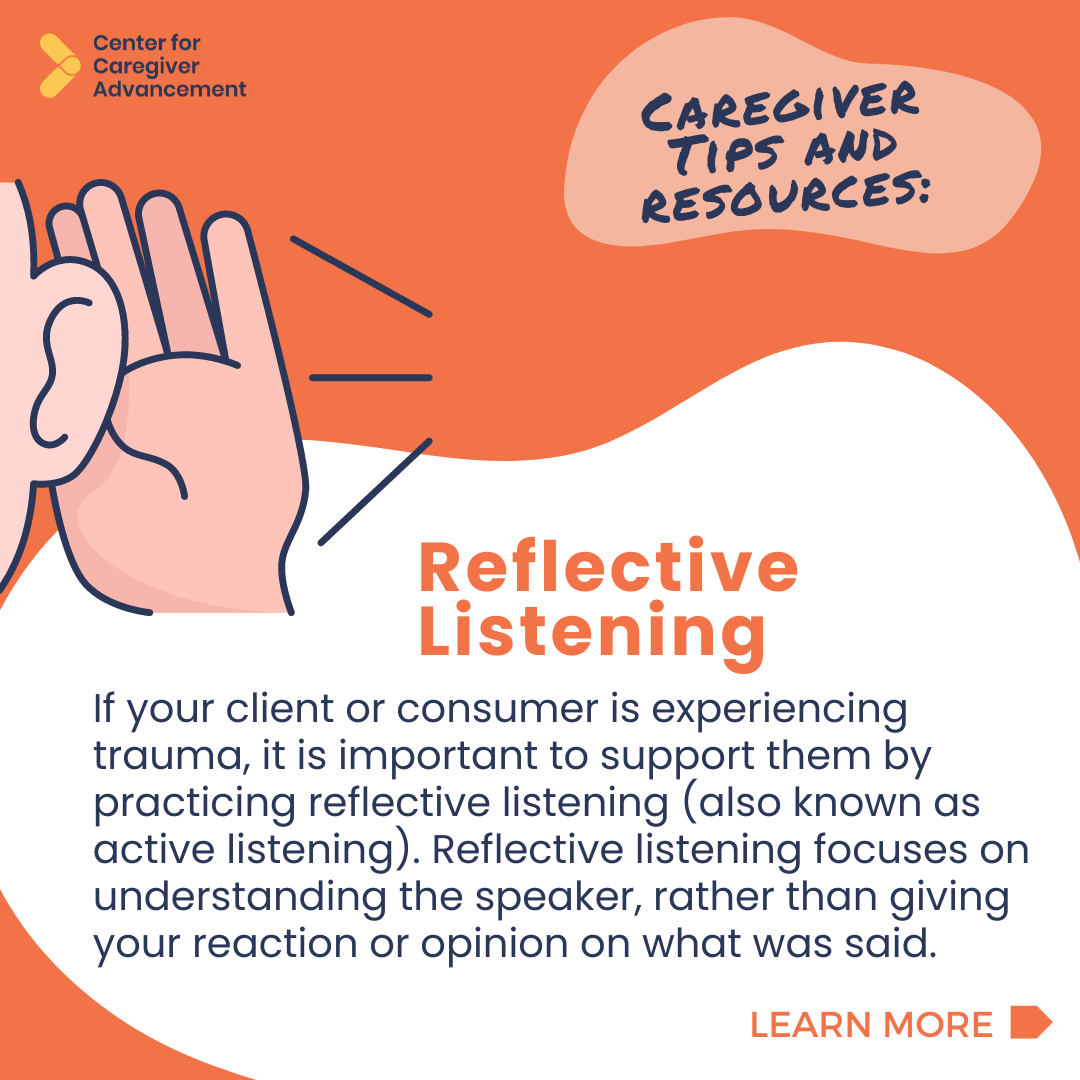
Reflective Listening

If your client or consumer is experiencing trauma, it is important to support them by practicing reflective listening (also known as active listening). Reflective listening focuses on understanding the speaker, rather than giving your reaction or opinion on what was said. This communication strategy involves two key steps:

  1. Seeking to understand a speaker’s idea
  2. Offering the idea back to the speaker to confirm the idea has been understood correctly by you

This helps caregivers provide support to the consumers in their care when they are experiencing trauma. Active listening can be particularly helpful in emergencies. It focuses on the meaning and emotions behind the speaker’s words, to ensure the speaker feels listened to and understood. This listening technique has numerous observable benefits such as the following: 

  • It prevents miscommunication and wrong assumptions
  • It makes people feel they are being heard and understood
  • It encourages people to hear and reflect on their own statements
  • It builds and deepens the conversation

How Can You Practice Reflective Listening?

A key component of this communication technique is where the listener restates and reflects back the speaker’s message. By restating the speaker’s message, the listener confirms understanding and helps to ensure that the speaker feels heard.

It’s a more focused form of active listening. It goes beyond simply acknowledging the speaker. It is a way to actively validate their message.

To accurately practice reflective listening, it is also imperative to avoid the following:

  • Asking a series of questions to get information from someone
  • Giving unsolicited advice
  • Minimizing the person’s concern

Related Reading:

Report: Advancing Opportunities for Caregivers Empowers Women 

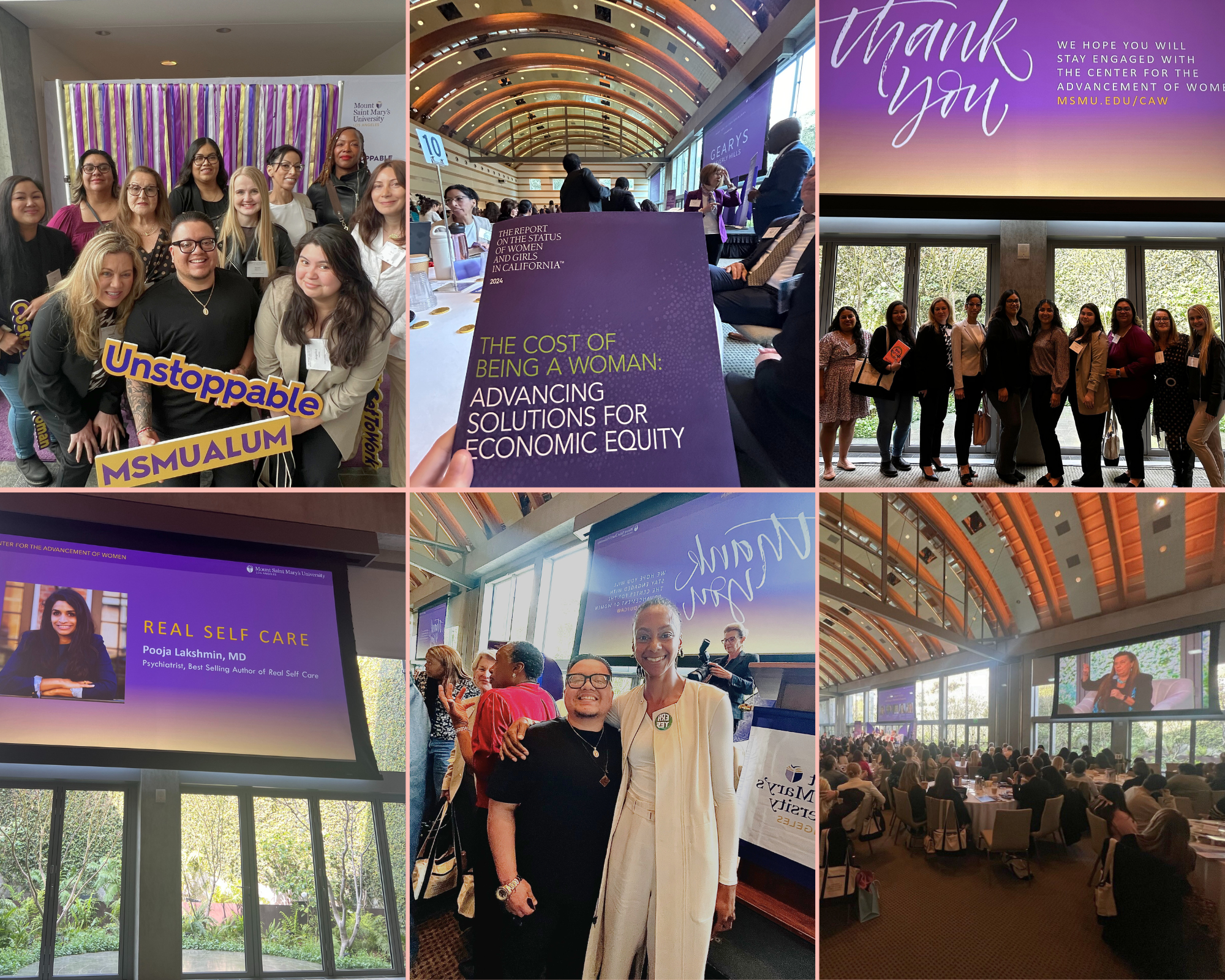
In California, around one in three women are currently providing long-term care for a family member or friend, according to the 2024 annual Report on the Status of Women and Girls in California. Caregiving, a field predominantly consisting of female workers, is a vital role many Americans depend on. Yet, it often remains an “invisible workforce;” despite the value it brings to the economy and healthcare system, the workforce is not given the compensation or recognition that it deserves. 

Societal Structures and Institutions Are Built Without Women in Mind

“The idea of the selfless woman who puts everyone else first is ingrained in our culture and even our communities. It is even reflected in our institutions and structures that were built without women in mind, increasing barriers for women and limiting our economic opportunity,” said Holly Martinez, Executive Director of the California Commission on the Status of Women and Girls, during the Report’s public release event on March 22.

An Estimated 90% of Caregivers or Home Care Workers Are Female

As California’s largest provider of free and accessible training for caregivers, the Center for Caregiver Advancement (CCA) is a staunch advocate for dismantling barriers and promoting equity for long-term care workers. One of CCA’s core organizational beliefs is that caregiving is a profession deserving of respect and recognition. Around 90 percent of CCA-trained homecare workers are women.

Similarly, 89 percent of skilled nursing workers who were trained at CCA are women. The highest percentage of both homecare and skilled nursing workers were in their 50s. Also among CCA-trained home care workers, 70 percent report they take care of a family member.

These statistics directly align with the data presented at this year’s Report on the Status of Women and Girls in California, which suggests that “the average caregiver is a 58-year-old woman caring for an 81-year-old parent.”

CCA Training Empowers Caregivers By Giving Them Specialized Skills for Professional Growth

CCA’s training makes it possible for hard-working caregivers to step out of invisibility as a workforce by acquiring specialized skills and knowledge that establish them as professionals. This was our mission since the beginning as our organization’s founders, a group of resilient female caregivers, fought to provide long-term care workers with three crucial things that had been previously lacking: livable wages, benefits, and training. 

Since 2000, CCA has trained over 42,000 of California’s paid caregivers. One of the key goals of our organization is to inspire system-change conversations around specialized skills and translate those into higher wages for caregivers. Those who participate in our programs are paid for their time in training, with some programs offering stipends upon completion. This is a step in the right direction towards breaking long-established barriers and recognizing the profession of caregiving for the noble and respectable role that it is. 

Although significant improvements have been made in recent decades regarding advancing women’s roles in the workforce, progress remains as we strive to build a more equitable world. For example, according to the Report, “women still take on more unpaid caregiving duties than men.” 

Building a More Equitable Future in the Caregiving Workforce and Beyond

An important aspect of our vision at CCA is centering our work on race and health equity, acknowledging that progress for women is not truly achieved unless that includes all women – regardless of their background. 

The inequities in society are multifaceted and go beyond gender. For example, as shared in the Report, to make as much in her lifetime as a 65-year-old white male, a White or Asian-American woman would need to work until she is 75 years old. However, a Black woman would need to work until she is 95 and a Latina until she is 115 years old. 

According to the Pew Research Center, “differences in factors such as education, hours, experience and occupations significantly affect the overall earnings between different groups of women.” Building a more equitable workforce entails removing barriers that limit access to these crucial factors. 

Immigrant women of color comprise the majority of the caregiving workforce. In 2022, 61 percent of CCA-trained homecare workers identified as Hispanic or Latino, 19 percent identified as Black or African American, 13 percent were Asian, and four percent White.

Among the skilled nursing workers trained that same year, 58 percent were Hispanic or Latino, 22 percent identified as Black or African American, 15 percent as Asian, and four percent as White.

Access to education is a barrier that CCA is actively working to remove. All of our training programs are completely free of charge, removing the financial burden of funding an education.

Additionally, we offer training in several different languages in addition to English, including Spanish, Korean, Mandarin, Armenian, Cantonese, Russian, and Vietnamese. 

While data reporting gender and race-based inequities can be sobering, it is an important step to acknowledge these truths. These statistics help guide further progressive action as we strive to build a more equitable workforce where everyone, regardless of their gender, race, or wealth, has an equal chance at success.

Pioneering Research on IHSS Training

CCA Partners with J-PAL North America at MIT for Groundbreaking IHSS Training Evaluation

In collaboration with the Center for Caregiver Advancement (CCA), the Abdul Latif Jameel Poverty Action Lab (J-PAL) North America at MIT will conduct the nation’s first randomized controlled trial (RCT) to evaluate the impact of CCA’s training on In-Home Supportive Services (IHSS) workers. This pioneering study aims to delve into both the caregiving and healthcare outcomes of the training, marking a significant step forward in workforce development and healthcare research.

Evaluating the Impact of Caregiver Training Through Research

The RCT is part of CCA’s “Upskilling IHSS Providers in San Bernardino” project, funded by the California Workforce Development Board’s High Road Training Partnership (HRTP). It will evaluate data from CCA’s 35-hour IHSS Essentials course, which equips caregivers with critical skills and knowledge in areas such as infection control, medication safety, activities of daily living, mandated documentation, self-care, and more.

“We are proud to work with the J-PAL team on this groundbreaking randomized evaluation on IHSS training,” said Corinne Eldridge, CCA President and CEO. “This joint project validates the critical role that home care workers play in keeping older adults and people with disabilities out of institutional care. We know that access to high-quality training programs not only contributes to increased worker retention but also facilitates recruitment in a field facing a care crisis.” 

This study addresses a critical gap in research as no prior RCTs have been conducted on IHSS training or any home care training programs, according to Matt Notowidigdo, PhD, Professor of Economics at the University of Chicago Booth School of Business and Co-Scientific Director of J-PAL North America.

Pioneering Research of IHSS Training Programs in the Healthcare Sector

In an era where job training initiatives predominantly focus on reskilling workers in fields like technology and IT, this project underscores the importance of evaluating training programs within the healthcare sector.

“Healthcare is just as important, especially direct care, as it is very much the future of work. It means we, as academic researchers, have an obligation to evaluate different kinds of training programs to study their impact on healthcare workers and the people they care for,” said Notowidigdo. “CCA is the perfect partner for this as they are pioneers in this space.”

The randomized controlled trial will operate on a cohort basis, with participants selected at random for the IHSS training, while others will be part of a control group. Each cohort will serve as a sub-study, and participants will be followed for a full year post-training. This comprehensive approach includes surveys, administrative data from the state of California, and access to Medicare and Medicaid data of the individuals receiving care.

The primary goal is to observe the impact of training on both IHSS workers and the individuals they care for. The evaluation will assess healthcare utilization, costs, and outcomes on the IHSS consumer side, including factors such as hospitalization rates and preventable incidents like accidents and falls. On the caregiver side, the RCT will examine worker attachment to the job, duration of employment, job satisfaction, confidence, and various aspects of mental health such as stress and anxiety.

“There are reasons to think training helps caregivers feel better about the job, more confident, and more comfortable which helps them stay in their job longer,” said Notowidigdo.

CCA Values Research Data as a Strategy for Improving IHSS Caregiver Training Programs

CCA’s work with other university-based research institutes shows that caregivers report post-training confidence in their ability to do their jobs. CCA regularly evaluates the value of its training programs on the workforce and the quality of care through impact studies in partnership with academic institutions and research organizations. UC San Francisco’s Institute on Health and Aging studies CCA’s caregiver training on Alzheimer’s disease and related dementia. Vital Research analyzed data for the Caregiver Resiliency Teams Impact Study and is doing the same for the Career Pathways Program.

CCA’s curriculum and program design relies on evidence-informed practice, using results from these impact studies, qualitative research, and subject matter expert opinion, to guide the training framework. The findings from the RCT, combined with CCA’s existing body of research, will move the evidence base into actionable strategies and policy that will advance workforce development for long-term care workers.

For Notowidigdo and his research team, the rarity of the intersection between labor and healthcare research makes this project even more significant. The study not only explores the impact of the training on healthcare outcomes but also considers its influence on the labor market.

“(California’s) IHSS program and the innovative training provided by the Center for Caregiver Advancement represent promising models for other states around the country that are considering new programs to support in-home caregiving,” said Notowidigdo.

Related Reading: IHSS Providers Are a Caregiving Lifeline for Californians

Dementia Training for Family Caregivers

UC Irvine and the Center for Caregiver Advancement launch dementia training courses to address future demand for skilled caregivers.

Diagnosis of Alzheimer’s Disease in California to Increase 20% by 2025

LOS ANGELES, CA – February 9, 2024 – To meet the anticipated growing number of dementia and Alzheimer’s cases in California, the University of California, Irvine (UC Irvine), the Center for Caregiver Advancement (CCA), and Alzheimer’s Orange County have announced the launch of a free eight-module virtual training course for caregivers of those diagnosed with dementia in southern California. A 2023 report from the Alzheimer’s Association predicts cases of Alzheimer’s disease in California will increase by more than 20% between 2020 and 2025.

To meet the increasing anticipated needs of populations diagnosed with Alzheimer’s disease and other dementias, the number of caregivers must grow significantly. Currently, more than 11 million Americans provide unpaid care for a family member or friend with dementia, according to the Alzheimer’s Association.

In California, more than 1 million Alzheimer’s caregivers provide 1.8 billion hours of unpaid care. Caregiving can have a profound impact on the health of the individual providing the care, associated with higher levels of depression, anxiety, medication use, compromised immune function, and vulnerability to elder abuse.

CCA’s multi-week, virtual evidence-based caregiver training, was developed in collaboration with UCI Health geriatricians, Alzheimer’s Orange County, and funded by a California Department of Public Health grant. The live training will be offered via Zoom and participants can enroll now through March 2024. To qualify for the free training, participants must be either an unpaid caregiver for persons with dementia or a family member designated as the caregiver for persons with dementia (paid or unpaid) living in Southern California.

Caregivers Learn to Manage Alzheimer’s and to Prevent Caregiver Burnout

The program will train caregivers on effective communication strategies to support activities of daily living (ADLs), safety, and the management of symptoms and distress for those diagnosed with ADRD (Alzheimer’s Disease and Related Dementias). Caregivers will learn how to prevent caregiver burnout and stress mitigation. Caregivers will also learn proactive strategies to prevent challenging situations and reduce caregiving stress.

The course is specifically designed for family (or unpaid) caregivers of individuals with Alzheimer’s disease and related dementias (ADRD).

CCA, with its expertise in curriculum development and caregiver training programs, will deliver the training in English and Spanish. CCA’s ADRD program for In-Home Supportive Services (IHSS) providers has proven to impact those who completed the training: 96% say they learned new skills and 94% say their communication with the person they’re caring for improved.

UC Irvine will conduct an educational assessment of the family caregiver training program, comparing caregiver health and stress levels before and after training, as well as skills and knowledge competency. The assessment will also evaluate caregiver behavior change to measure the impact of the training on the person receiving care.

About the Center for Caregiver Advancement

The Center for Caregiver Advancement (CCA), is the largest provider of training for caregivers in California and has trained more than 42,000 nursing home workers and in-home caregivers. advancecaregivers.org The CCA is committed to improving care and building better lives for caregivers in California and the people they serve. We measure our impact through improved wages and career development for caregivers, the quality of care for their consumers, and reducing the stress on California’s over-burdened healthcare system.

About the University of California, Irvine Division of Geriatrics and Gerontology

The Division of Geriatric Medicine & Gerontology at the UCI School of Medicine is made up of an interdisciplinary group of professionals whose mission is to address the changing health needs of older adults and those who love them. We are committed to delivering high-quality, comprehensive care in a variety of settings and to providing leadership in geriatric education, research, advocacy, and community outreach. The skill and dedication of our physicians to elder care has led to UCI Medical Center being named repeatedly as one of the nation’s best hospitals for geriatric care by U.S. News & World Report.

Moving the Work of Advancing Caregivers

2023 was a year of remarkable growth for our organization and for advancing caregivers. The state extended the Career Pathways Program and funded the CNA Registered Apprenticeship Program. This continued investment in specialized caregiver training shows recognition of the value of training the long-term care workforce. All of these align with our commitment to advancing the professionalization of long-term care work. 

As we look ahead to 2024, we remain committed to setting the standard for caregiver training. We are building a workforce of highly trained caregivers that many Californians can’t live without. 

2023 Highlights for Advancing Caregivers

Language equity: We continue to address the need for equitable access to training by providing our programs in multiple languages. We increased our language offerings to eight: English, Spanish, Armenian, Korean, Mandarin, Cantonese, Russian and Vietnamese. This ensures training and continuing education courses are accessible for IHSS workers who are most comfortable learning in a language other than English.

Nationally recognized curriculum: Our training programs are evidence-based. We refine them using worker feedback, and data from impact studies. Our specialized curriculum has been licensed by organizations outside California, which utilize our experience and expertise. The CCA curriculum supports training funds and union workers across the country. 

Advancing Caregivers Through Specialized Training

Condition-specific training: We offer condition-specific training courses to equip caregivers with the skills and knowledge they need to provide specialized care. IHSS providers can enroll in courses that teach them essential skills, basic health and safety. They also can access courses in emergency preparedness, Alzheimer’s and related dementia, autism, diabetes, heart disease, and traumatic brain injury. 

SNF industry solutions: Since launching the CNA Registered Apprenticeship Program this year, we have trained and placed Certified Nurse Assistants at skilled nursing facilities across the state. We also run our own CDPH-approved NATP as a hybrid offering to alleviate some of the barriers workers face. We help with demanding schedules and transportation needs. 

Climate-resilient workforce: We released an Impact Report and hosted an Impact Study Briefing about the outcomes of our Caregiver Resiliency Teams project. This underscored the importance of investing in caregiver workforce training to build a climate-resilient California. cca.fyi/crtimpact  

Stipends for specialized skills: Providing stipends to students in our training programs is part of our long-term goal to link skills to increased wages for caregivers:

  • IHSS providers: Paid the their hourly wage rate for their hours in training
  • CNA Registered Apprenticeship Program participants: Receive stipends for child care, transportation, and grocery expenses.

Looking Ahead: How We Will Be Advancing Caregivers in 2024

Groundbreaking research: We are partnering with the renowned J-PAL North America at MIT, which will conduct a randomized control trial on our IHSS Essentials training program in San Bernardino County. This will be the first RCT in the nation on IHSS training. The RCT, along with the impact study from UC San Francisco on the ADRD training, will lay the foundation for policy change. These will help recognize worker specializations, improve worker retention, create advancement within the home care workforce, and secure long-term funding for caregiver training. 

Upskilling the IHSS workforce: We will deliver IHSS Essentials, Alzheimer’s Disease and Related Dementia care, and Caregiver Resiliency training to IHSS providers in San Bernardino County. This program addresses the need for highly trained caregivers in under-invested communities. Access to specialized Alzheimer’s training is especially important to support the caregivers caring for those with ADRD in San Bernardino. Given the extreme heat the region experienced in 2023, the Caregiver Resiliency training will give IHSS providers an increased understanding of climate change impact. They will learn the skills they need to address climate-related emergencies. 

Training for unpaid family caregivers: We are excited to provide Alzheimer’s and dementia care training for unpaid family caregivers in the Inland Empire. This project is in partnership with CDPH and UC Irvine, which will research the impact and value of the training program. Classes begin in February.

Research Studies Show Positive Impact of Training

Impact studies: We continue to measure the impact of our training programs through knowledge checks and pre- and post-training surveys. We have relationships with academic institutions and research organizations such as UC San Francisco and UC Irvine. Their research helps us demonstrate how our training programs advance quality care, improve job retention, and reframe the value of care work.

Elevating care: We are in the seventh year of our partnership with L.A. Care Health Plan. We continue to elevate the quality of care the health plan’s members receive from their IHSS providers. L.A. Care’s utilization studies of the training impacts have consistently shown a decrease in emergency department visits. They also show a reduction in inpatient utilization among members whose caregivers completed our training.

Multi-week Training for San Bernardino Caregivers

CCA launched free specialized training courses in January 2024 for caregivers in San Bernardino County. These multi-week, competency-based training programs are offered at no cost to the county’s In-Home Supportive Services (IHSS) providers. The program is supported through a grant from the California Workforce Development Board (CWDB) and High Road Training Partnership (HRTP). 

San Bernardino care providers can enroll in one of three programs: IHSS Essentials, Alzheimer’s Disease and Related Dementia (ADRD), and Emergency & Disaster Readiness (EDR). The sessions are offered in English and Spanish.

IHSS Caregiver Classes for San Bernardino Caregivers

The IHSS Caregiving Essentials course teaches caregivers about medication safety, nutrition, supporting activities of daily living, and communication skills. Caregivers in the ADRD course learn to recognize signs of Alzheimer’s, and how to manage symptoms such as hallucination, sundowning, and behavioral changes. The EDR course helps caregivers prepare for climate-related emergencies and recover from post-disaster trauma.

Henrene Barris, an IHSS provider in San Bernardino, is looking forward to the training. She helped shape the project as a member of the Advisory Committee.

“It is important for in-home caregivers to have training programs available so we can provide quality care. CCA’s curriculum is so detailed and relevant. The multi-week format allows for more interaction, more time for learning, and more knowledge to be shared,” says Barris.

Researching the Impact of IHSS Caregiver Training

In addition to providing these three programs to San Bernardino’s IHSS caregivers, CCA will conduct a randomized control trial (RCT) in partnership with researchers in the Abdul Latif Jameel Poverty Action Lab (J-PAL). The J-PAL is at the Massachusetts Institute of Technology (MIT). This is the first RCT on IHSS training. Building on CCA’s existing research, the study will lay the foundation for policy change that recognizes worker specializations. It will improve worker retention, create advancement within the home care workforce, and secure long-term funding for caregiver training. 

“We are excited to be a part of the first-ever randomized evaluation of training for IHSS providers. We are looking forward to studying the impacts on the workforce of caregivers who receive the training as well as the individuals who are cared for by the caregivers. The IHSS program and the innovative training provided by the Center for Caregiver Advancement represent promising models for other states around the country that are considering new programs to support in-home caregiving,” says Matt Notowidigdo, Professor of Economics at the University of Chicago Booth School of Business and Co-Scientific Director of J-PAL North America.

UC San Francisco will conduct an impact study on the Alzheimer’s program. CCA is the only organization within California utilizing an evidence-informed curriculum that has already been tested and delivered to thousands of IHSS providers in California.

Advancing Care Workers Through Evidence-Based Studies

“We continually push to advance the caregiving workforce through an evidence-informed approach. Our goal is to shift the narrative on the professionalization and value of the workforce. Access to training provides IHSS providers with opportunities for advancement within IHSS. The specialized training on Alzheimer’s focuses on much-needed skills critical to providing care in under-invested communities where rates of Alzheimer’s are increasing. And our Caregiver Resiliency program gives IHSS providers an increased understanding of climate change impact and the skills they need to address climate-related emergencies that impact the consumers that they serve,” says Corinne Eldridge, President and CEO. 

CCA links skill development with increased wages: Caregivers will be paid their hourly wages for their time in training. Those who complete the program can earn between $700 and $1,400.

About the Center for Caregiver Advancement

The Center for Caregiver Advancement is the largest provider of training for caregivers in California and has trained more than 20,000 nursing home workers and in-home caregivers. Advancecaregivers.org

This field is for validation purposes and should be left unchanged.

Sign-up to be added to our mailing list!

By providing your email and phone number, you agree to receive emails and text messages from CCA. Message and data rates may apply. Message frequency varies.