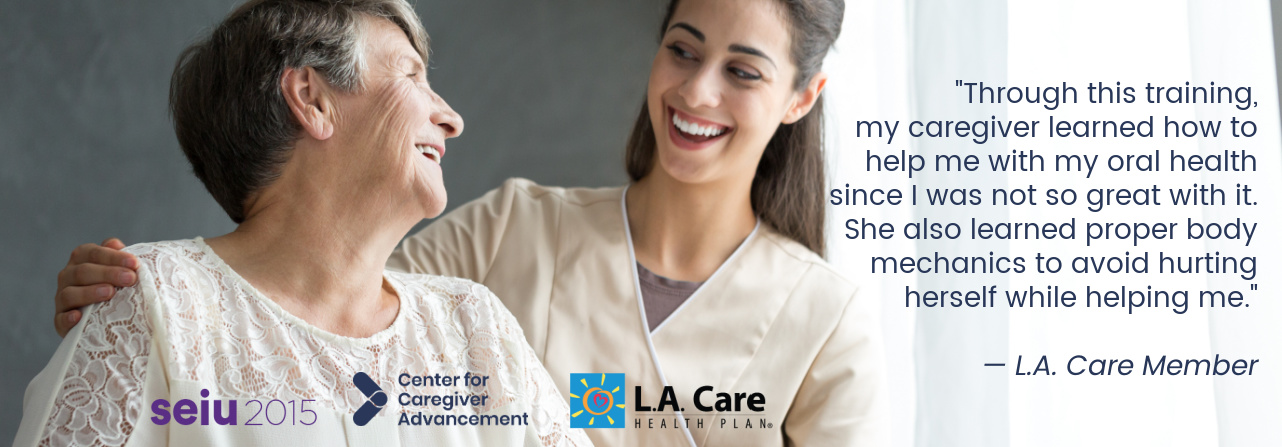
The Center for Caregiver Advancement (CCA) offers caregiver training courses that specialize in complex physical and mental health needs: autism spectrum disorder, diabetic care and nutrition, traumatic brain injury, and heart diseases and care.
All four courses are part of CCA’s course catalog for the IHSS Career Pathways Program. This is a state initiative that funds training for California’s In-Home Supportive Services (IHSS) providers. CCA is one of the approved caregiver training providers for this program. These four pathways join the six other training specializations CCA started offering in January.
Caregiver Training in the Career Pathways Program (CPP)
Each pathway has six courses that are designed to help caregivers build strong foundational knowledge that is condition-specific.
The Autism Spectrum Disorder (ASD) courses provide learners with an overview of ASD and key terms and definitions. Caregivers learn to identify signs and manage maladaptive behaviors. They learn to support ASD in different age groups, among others. The class series concludes with a skills practice session, where participants put what they learned into practice through case scenarios.
Related story: Learning the language of autism
Training for Diabetic Care
The Diabetic Care and Nutrition course discusses different types of diabetes, how diabetes impacts different populations in the U.S., and the complications that can affect an individual’s overall health. Caregivers also learn how to support the person they’re caring for in the management of their Type 2 diabetes. Proper proper nutrition and portion sizes are highlighted. Emergency management and response is also covered. This helps caregivers recognize potential emergencies and learn the difference between an urgent versus emergency situation.
Training for Managing Traumatic Brain Injury
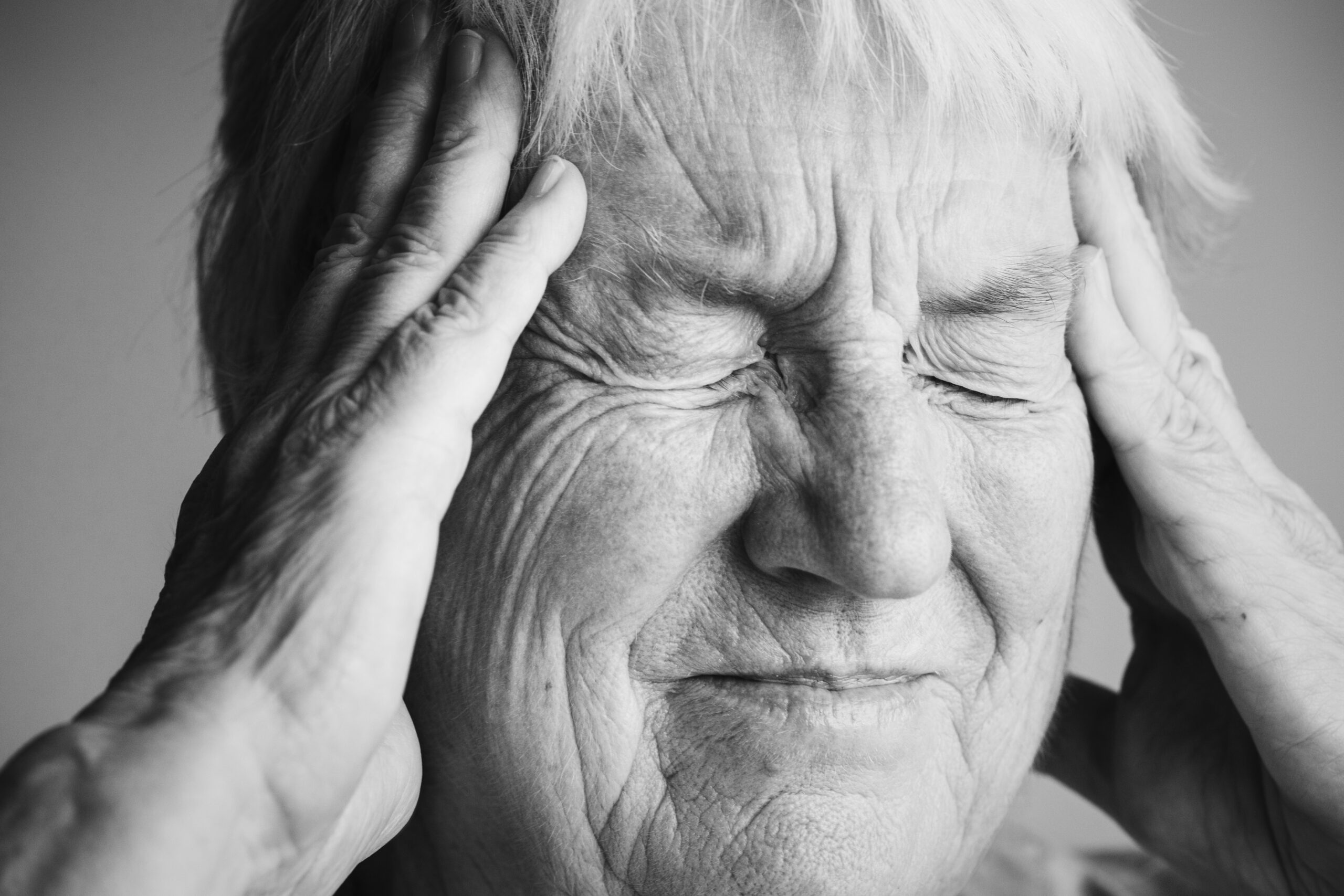
The Traumatic Brain Injury (TBI) course helps caregivers define and describe the different types of TBI. They learn to identify risk factors and recognize the health disparities associated with them. They learn how the injury affects a person’s everyday function. The caregiver’s role in the observation, monitoring and documentation of TBI consequences is included. Emergency response is also covered.
Training for Managing Heart Disease
The Heart Disease and Care course discusses causes, prevalence and impact of heart attacks and heart failure. Caregivers will learn to identify common signs, symptoms, and risk factors. And, they learn preventative tools to help reduce risk of heart disease through lifestyle modifications. Emergency response is also discussed, including the correct steps a caregiver must take when a person complains of chest pain.