According to a February 18, 2026 Opinion piece in USA Today by Emma Heming Willis, the wife of movie actor Bruce Willis, and her co-author Steve Schwab, “Caregiving is a national crisis we can’t ignore.”
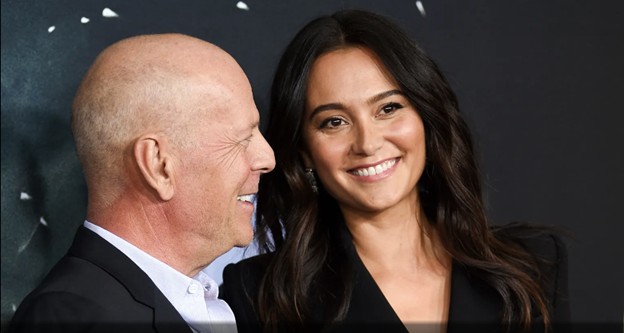
In the case of Emma Heming Willis, she provides care for her spouse, actor Bruce Willis, who lives with a form of dementia known as Frontotemporal dementia, or FTD. As explained in the USA Today opinion article, it is important to understand that caregiving for someone with dementia is not simply a set of tasks.
Caregiving Can Be an “Invisible” Job
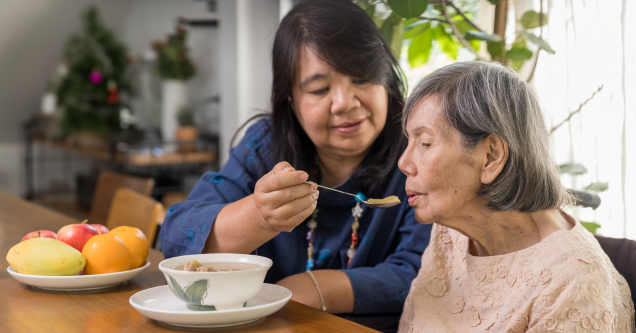
Heming Willis describes caregiving as “the invisible labor of managing medications, coordinating appointments, navigating systems not designed with caregivers in mind.” In caring for Bruce Willis, Heming Willis has learned that the caregiver must do all this while also dealing with the daily challenges of their care recipient experiencing symptoms like memory loss, personality changes, disrupted sleep, and unpredictable behavior.
Heming Willis further describes caregiving as “…essential, unpaid labor for loved ones.” Caregiving is critical to the greater healthcare infrastructure, yet it remains largely invisible.
It is estimated that more than 100 million people in the United States provide unpaid care to an adult relative or friend with a health or functional need at home. Whether a home caregiver is an unpaid family member or friend, or a trained In-Home Supportive Services (IHSS) Provider who is paid to support a consumer in their home environment, caregiving is hard work.
According to the article, in 2019, unpaid caregivers provided roughly 18.6 billion hours of home care to people living with dementia. This care is valued to be worth approximately $244 billion in unpaid labor. Even the IHSS workers in California who are paid to care for IHSS members who have dementia or other chronic conditions are still struggling to earn a living wage. The fact is, even though home caregiving is essential labor that supports families, healthcare systems, and the overall U.S. economy – home caregivers are largely unseen and grossly under-compensated (if compensated at all).
This is curated content. To read the full opinion piece, please visit the USA Today News Site.
Photo Credit: Photo of Bruce Willis and Emma Heming Willis by Evan Agostini/Invision/AP, Jan. 2019
Related Reading: