The signs were there, but caregiver Levon Wortham didn’t know what to do. So, he signed up for a caregiver training program that focused on caring for older adults with Alzheimer’s disease and related dementias.

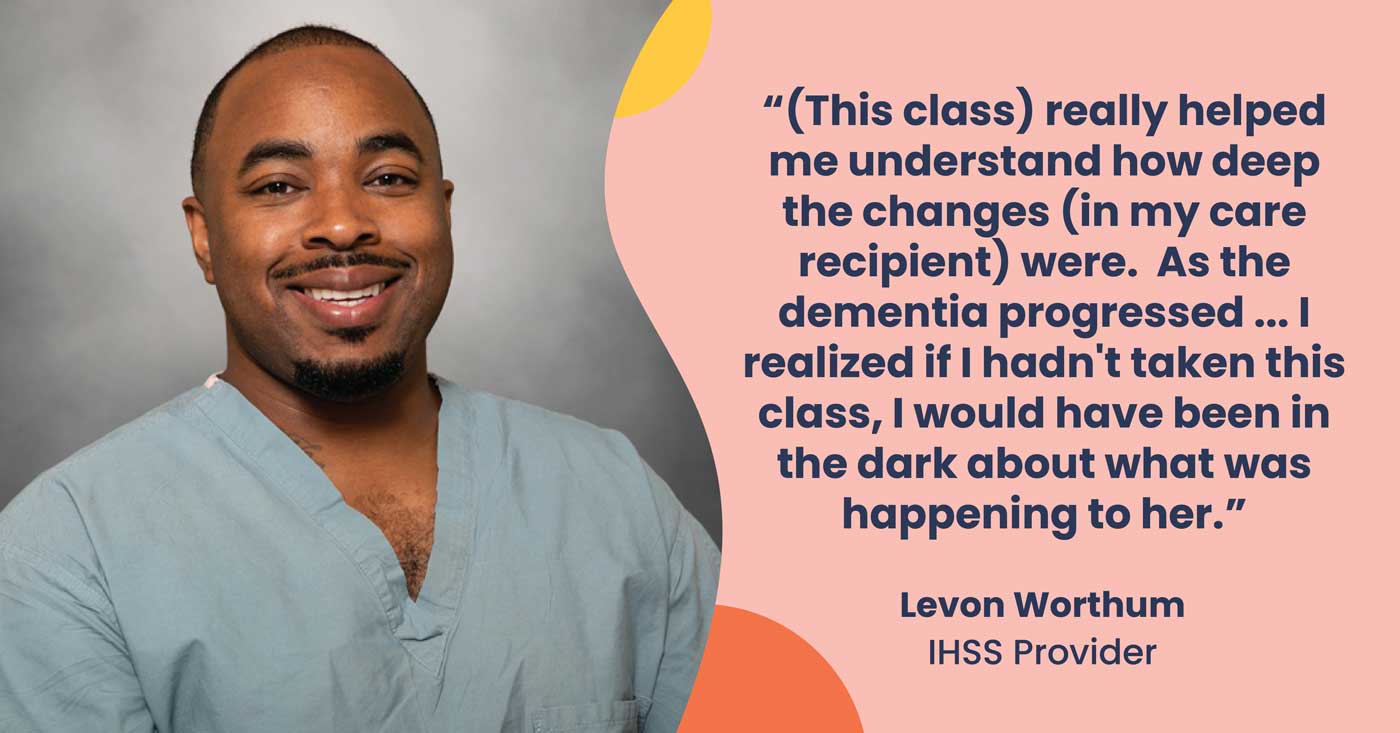
“My Alzheimer’s class really did help me a lot because it allowed me to recognize a lot of the issues that I knew were there, but I didn’t have any definition for them,” Levon says.
Levon is part of the first cohort of In-Home Supportive Services (IHSS) caregivers to complete CCA’s IHSS+ Alzheimer’s training program in Alameda County.
“So this class really helped me understand how deep the changes [in my care recipient] were. As the dementia progressed, I started to notice the signs. I realized if I hadn’t taken this class, I would have been in the dark about what was happening to her,” Levon says.
With Proper Care, People with Alzheimer’s Can Remain in Their Homes
Trained caregivers like Levon are pivotal to helping people living with Alzheimer’s remain safely in their homes. Proper training ensures that the caregiver understands the disease, recognizes areas of concern, and can report to the care team. A trained caregiver knows strategies on how to provide better care.
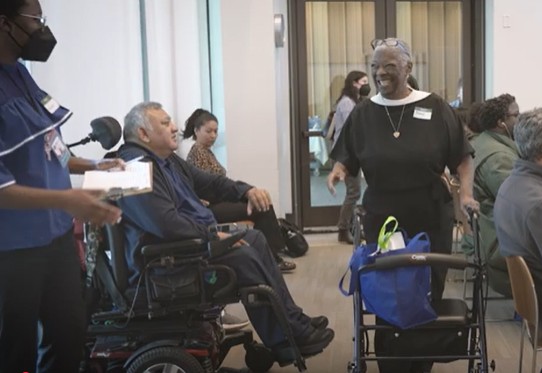
In California, there are over 520,000 IHSS providers caring for more than 650,000 older adults or people with disabilities in need of home care services. Often, these IHSS caregivers enter the workforce with little to no training or support.
“I go back to my notes from class a lot. And I continue to reflect on the different experiences and different topics we talked about in class. It’s really, really helpful,” says Levon.
Alzheimer’s Disease Is Prevalent in Our Aging Population
The number of people with Alzheimer’s disease and related dementias will double by 2060, according to a study from the Centers of Disease Control and Prevention. And among people 65 and older, African Americans have the highest prevalence of Alzheimer’s and dementia. This is followed by Hispanics, Native, and Asian populations.
By 2060, researchers estimate there will be 5.4 million Black and Hispanic people living with the disease in the US. This reality calls for a much larger, more culturally competent workforce of caregivers. They require training on how to care for those with Alzheimer’s or other forms of cognitive decline. It will depend on trained caregivers like Levon.
The Impact of Caregiver Training
The biggest impact of the training, Levon says, was that it made him a stronger advocate for his consumer. The voluntary 10-week course teaches skills that are crucial to helping people who are showing symptoms of Alzheimer’s disease and related dementia. Embedded in the curriculum are strategies for managing repetitive behaviors, assisting with daily activities such as bathing and medication, and helping to manage hallucinations and wandering.
Working with the Broader Care Team
Because he gained a deeper understanding of what his consumer was experiencing, he adjusted how he was taking care of her. The training expanded his knowledge of Alzheimer’s disease, which allowed him to recognize the symptoms and respond effectively. And knowing the terminology and how to speak the language of the care team of doctors, nurses or personal support workers, helped him to become a better advocate.
“The most valuable lesson that I learned during my training, I would say, is just how to be an asset to the care team, because my experience or my witnessing (of the changes in my consumer), and my advocacy are very important,” he says.
Levon spends almost every day with his consumer, so he knows he can be a second pair of eyes when it comes to observing and monitoring her symptoms. He sees himself as a historian of sorts. He takes detailed notes – reactions to medication, changes in behavior – and reports all of those to the doctors and the care team.
The Rewards of Caregiving
“I’ve actually had that response from the doctors that I communicate with that what I report is really helpful to them,” he says. “They think I’m just the smartest person on earth, but I’m really not! I’m just really paying attention. I understand how important it is to be able to relay these things to the doctor for my consumer.”
Backing up his instincts with actual data went a long way into making the care team take him seriously. The care team now recognizes and respects his role as an IHSS caregiver as a critical component of the healthcare system.
“The most rewarding part is just knowing that what I’m doing is actually helping someone. If I wasn’t doing this, would be going without care,” he says. The reward is in knowing that someone “feels that they are cared for.”
The IHSS+ Alzheimer’s training project in Alameda County is funded by the California Department of Health, in partnership with UC San Francisco and Alameda Alliance for Health.
Sources:
Government of California. “California Master Plan For Aging: Caregiving That Works” Master Plan For Aging, 2019, mpa.aging.ca.gov/Goals/4.
“U.S. Burden of Alzheimer’s Disease, Related Dementias to Double by 2060 | CDC Online Newsroom | CDC.” Center for Disease Control and Prevention, 20 Sept. 2018, www.cdc.gov/media/releases/2018/p0920-alzheimers-burden-double2060.html#:%7E:text=Among%20people%20ages%2065%20and,Pacific%20Islanders%20(8.4%20percent).