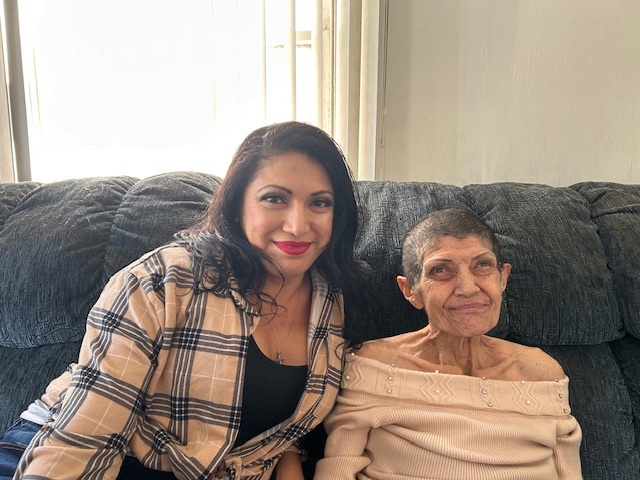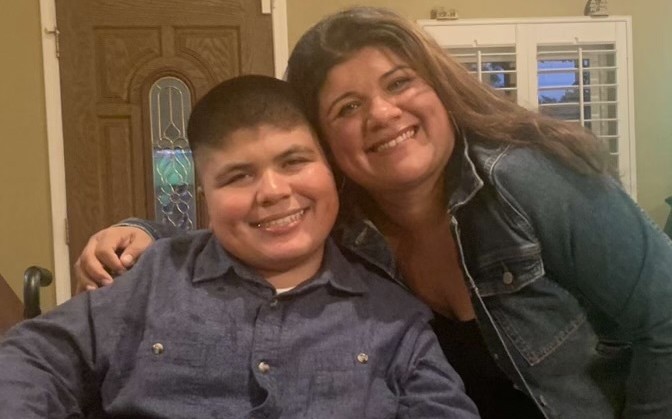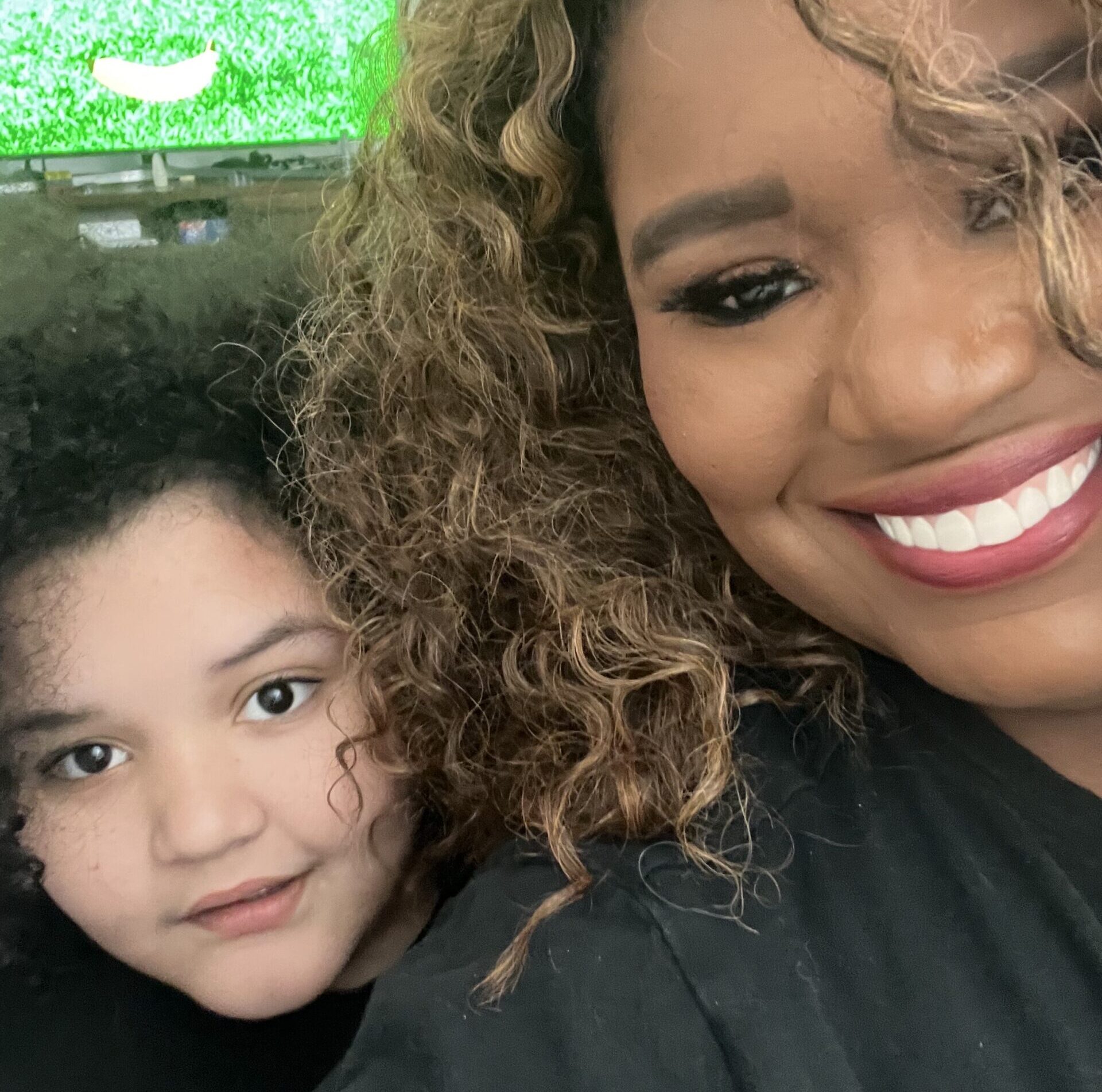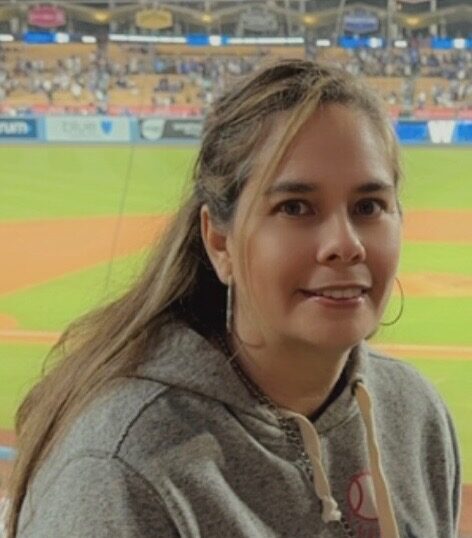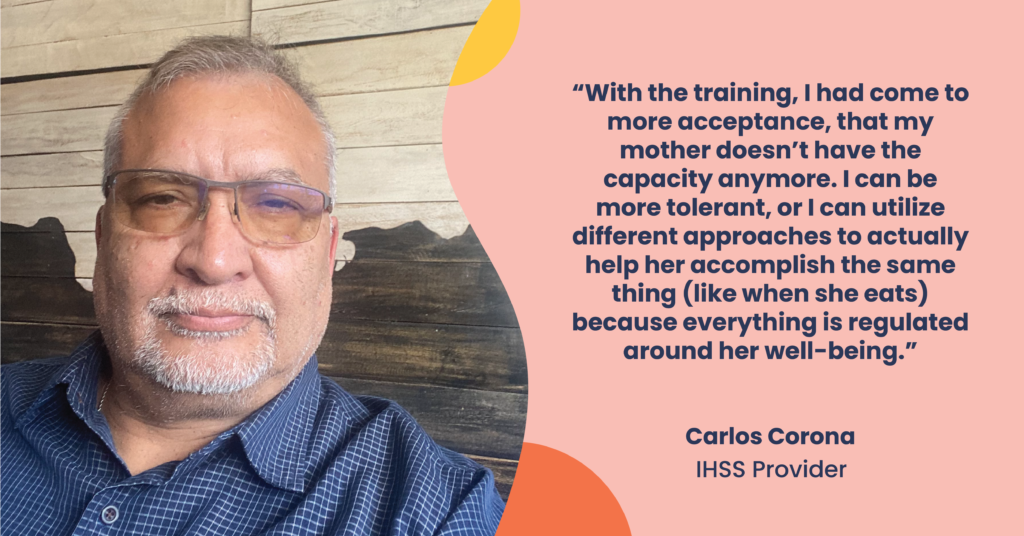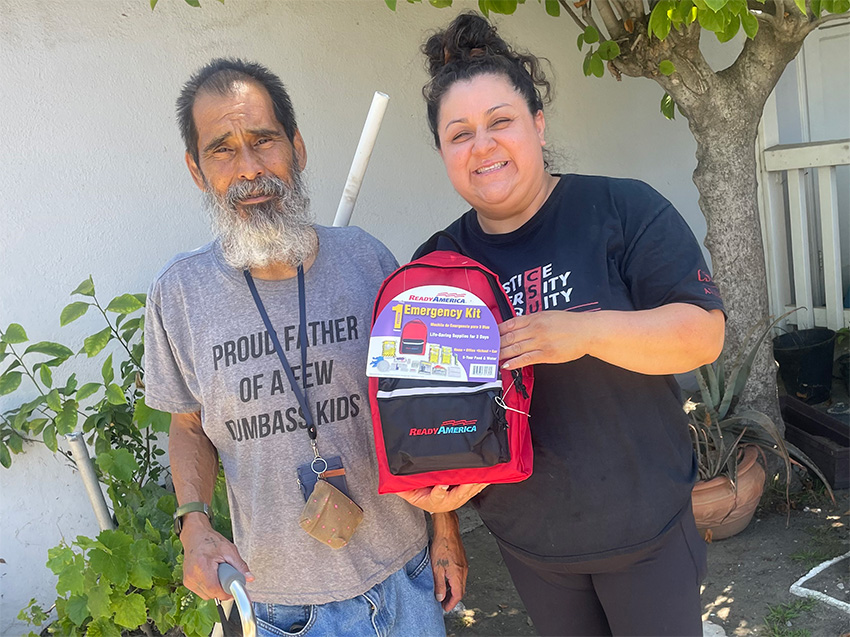
For many caregivers, getting trained in emergency readiness is just one more responsibility added to an already full plate. But for In-Home Supportive Services (IHSS) provider Angelica Fuentes, who cares for her father-in-law Nick Fuentes, taking the Center for Caregiver Advancement’s (CCA) Emergency & Disaster Readiness (EDR) course became much more than a practical training opportunity. It was a catalyst for important family conversations, greater preparedness, and a new understanding of compassionate caregiving.
Angelica took a self-guided version of CCA’s EDR training curriculum online. The asynchronous format allowed her to complete the course segments at times that were convenient for her and worked well with her busy schedule.
A Family Recommendation That Made a Difference
When asked what inspired her to enroll in CCA’s Emergency & Disaster Readiness course, her answer was simple.
“It was recommended to me by a family member, because being prepared for emergencies is a priority in our family.”
That recommendation turned out to be invaluable. As someone who juggles raising five children with caring for an older adult who is a strong advocate for emergency preparedness, she was already familiar with the importance of planning ahead. But the course opened her eyes to new ideas and information that she had never encountered before.
Learning About Climate Change and Community Preparedness
One aspect of the course that stood out most was its focus on climate change and the growing risks communities face from natural disasters.
“The information was so pertinent to the times that we are going through right now,” she explained. “It shined a light on a topic that is very taboo in some communities—climate change.”
She believes that misinformation, limited access to information, language barriers, traditional beliefs, and cultural perspectives can sometimes make discussions about climate change difficult. Yet she feels strongly that everyone has a responsibility to learn about environmental risks and prepare for the future.
“We all have the responsibility to learn about climate change and its dangers, and to take action for the people we care for.”
Eye-Opening Lessons About Health, Safety, and Infrastructure
The course provided valuable information about how communities are affected by factors that often go unnoticed.
Angelica particularly enjoyed learning about the data, research, and statistics presented in the Environmental Equity & Environmental Justice section of the course.
Angelica learned that people living in marginalized or low-income communities often face disproportionate exposure to environmental risks and hazards like air pollution or toxic waste.
She learned that everyone should have equal access to environmental resources like clean air, water, and green spaces, but they don’t. One lesson that stayed with her was the connection between a person’s ZIP code and their health and safety risks. She learned that there is a correlation between our ZIP code and our safety and health risks.
For example, people who live in ZIP codes where there are distressed areas and a higher number of ethic minorities and economically disadvantaged populations, are typically living closer to hazardous waste sites, power plants, and other polluting facilities. Environmental exposures have been linked to many health issues, including cancer, asthma and other respiratory diseases, cardiovascular disease, neurological diseases and developmental disabilities.
She was fascinated by lessons about infrastructure—how communities were built, when they were developed, and how early community development decisions continue to impact residents today.
“I thought I had a high awareness of these things, but I learned things I hadn’t even thought about.”
The experience reminded her that no matter how much we think we know, there is always more to learn about protecting ourselves, our families, and our communities.
A New Approach to Caregiving Conversations
While emergency preparedness was the primary focus of the course, one of the most meaningful lessons involved communication and mental health. The course emphasized the importance of respecting a care recipient’s autonomy and approaching difficult conversations with empathy.
“I learned about being empathetic to your consumer and being ready to help them if they are resistant,” she said. “Be respectful and mindful—they should be in charge of their own decisions.”
The lesson resonated deeply because she recognized it in her own caregiving experience.
“As a caregiver, I found myself at one point telling my consumer, ‘You need to do this, you need to do that!’ and he became agitated.”
The course helped her understand that effective caregiving is not about directing someone—it is about informing, supporting, and respecting their choices.
“This made me realize that I was dictating to him instead of informing him in an empathetic way.”
For her, this insight was just as valuable as learning how to prepare emergency kits or create evacuation plans.
Turning Emergency Readiness Knowledge Into Action
After completing the course, Angelica immediately put what she learned into practice.
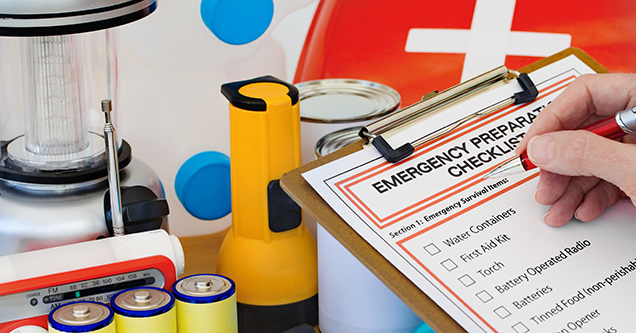
She refreshed her family’s emergency kits, reviewed supplies, replaced batteries, checked flashlights, and updated emergency contact lists.
Her family already had a culture of preparedness. Together, they routinely rotate emergency food supplies and survival kits each year. But the course encouraged them to go even further.
“My father-in-law and my husband are big on being prepared in advance for earthquakes, fires, and so much more.”
The importance of preparation became especially clear after the Los Angeles wildfires, when her family experienced a prolonged power outage.
“Last year during the LA wildfires, we were without power for a week and a half. We had to rely on lanterns, flashlights, and other emergency supplies. We want to be more prepared next time.”
Today, they keep additional emergency items in their vehicles, carry small flashlights, and continue having regular conversations about disaster readiness.
One lesson in particular surprised her.
“Having the phone number of somebody who lives out of state who we can call—and having that number memorized.”
That simple tip sparked new family discussions about emergency communication plans.
Preparedness for a Busy Caregiver and Mother
Outside of caregiving, she is also raising five children, including one child with ADHD and another with Autism Spectrum Disorder. Between school schedules, activities, family responsibilities, and caring for her father-in-law, life is constantly busy.
The EDR course reinforced the idea that preparedness is not just about disaster supplies—it is about ensuring every family member knows what to do when emergencies happen. That is why emergency planning has become even more important. “It is important to have emergency plans in place for everyone.”
A Course Every Caregiver Should Take
Looking back, she believes the Emergency & Disaster Readiness course offers knowledge that every caregiver—and every community member—should have access to.
“This Emergency & Disaster Readiness course should be taught in secondary school. All of us should know about all this. We all need to be prepared.”
Her message to fellow caregivers is enthusiastic and direct:
“All caregivers should take this class without hesitation! This is very valuable knowledge that you would normally have to pay for at a higher learning academy, but you are getting free access to this emergency information, and it is golden.”
She also emphasized the course’s focus on emotional well-being.
“This class provides knowledge that supports your mental health and your consumer’s mental health. It is extremely important to learn about how emergencies and disasters impact mental health, and what you can do.”
For this dedicated caregiver, the course did more than teach emergency preparedness. It strengthened her family’s readiness, improved her caregiving approach, and empowered her to help protect the people she loves most.
And perhaps most importantly, it reminded her that preparation is an act of care.
This EDR course was funded for caregivers in Los Angeles County by a generous grant from LA2050, a community-based initiative that supports LA-based efforts aimed at benefiting LA communities.
Learn more about the Emergency & Disaster Readiness (EDR) course that Angelica completed: https://advancecaregivers.org/emergency-disaster-preparedness/
Related Reading: