She Came to Caregiving to Help Her Son. Training Helped Her Care for Others.
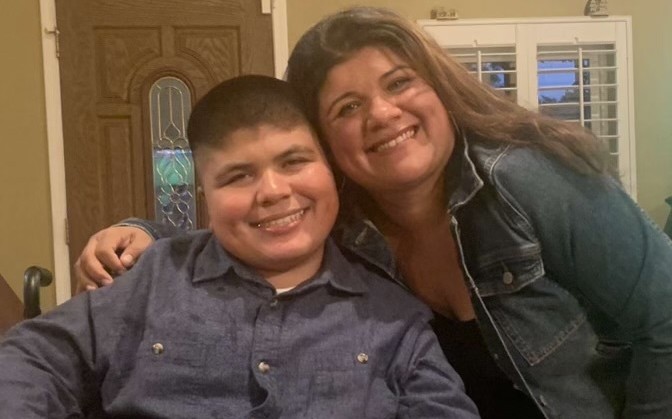
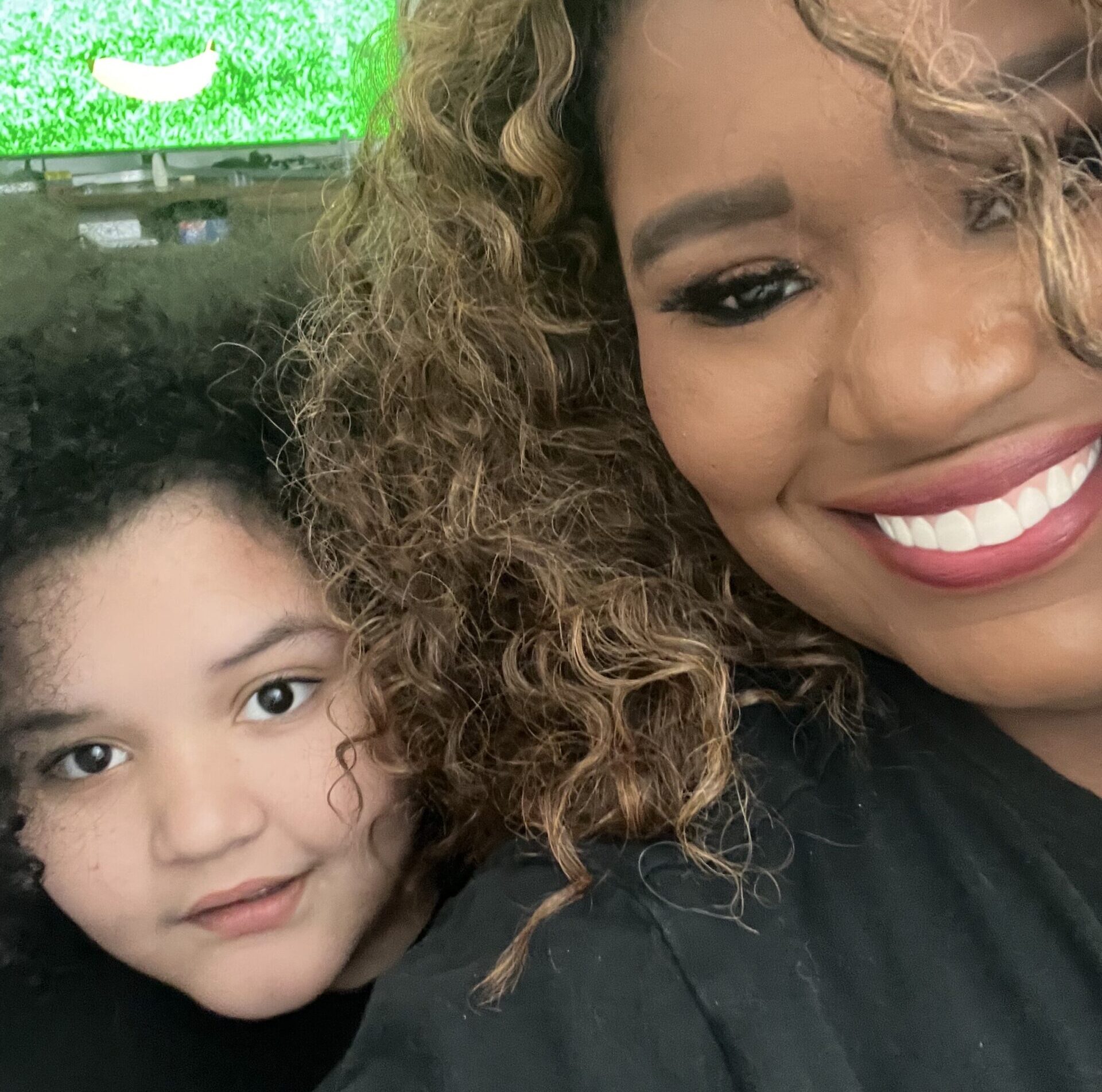
For Sarah Blum, caregiving began at home. When her son was born with special needs, Sarah became an In-Home Supportive Services (IHSS) provider for him. What began as a way to meet her son’s daily needs eventually opened the door to a career helping others.
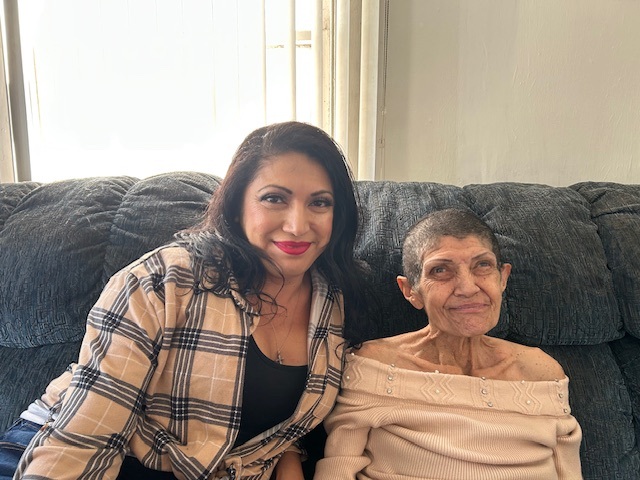
Today, Sarah’s son is eight and attending school. While caring for him remains central to her life, Sarah also works as an IHSS provider for people in her community. She currently cares for a 71-year-old woman in the early stages of dementia.
“I will stay in the caregiving field because I am someone who loves to help,” Sarah says. “I find caregiving very rewarding. It is really satisfying to be helping someone else.”
But Sarah has learned that caring for others requires more than a willingness to help. It requires knowledge, patience and practical skills—and there is always more to learn.
Turning Experience Into Skill
Sarah first connected with the Center for Caregiver Advancement (CCA) at a free workshop for IHSS providers in San Bernardino County. She added her name to CCA’s list for future educational opportunities and later enrolled in an Alzheimer’s Disease and Related Dementias (ADRD) training course.
“The ADRD class was great,” Sarah recalls. “The instructor taught us a practical approach to caregiving for consumers with dementia.”
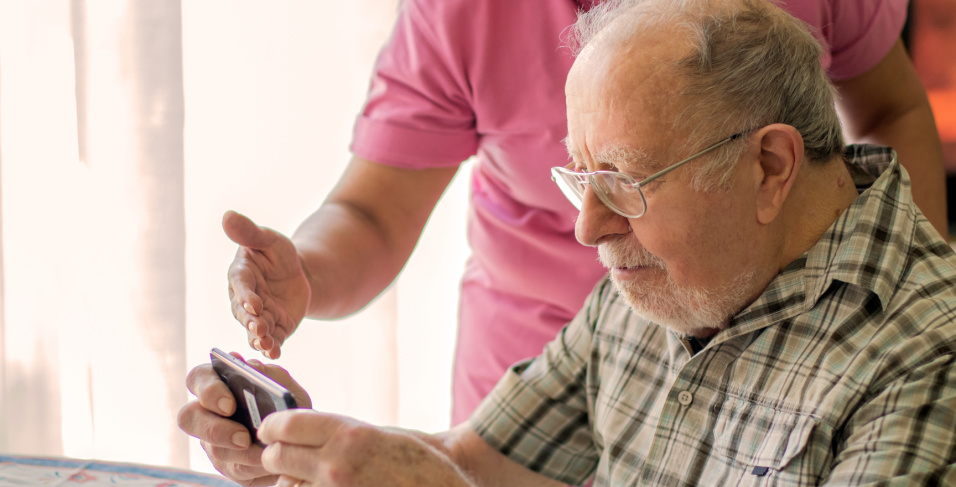
The caregiver training gave Sarah strategies she could immediately apply in her work, helping her better understand her consumer’s needs and respond more effectively to the challenges of dementia.
One of the most important lessons was also one of the simplest: patience matters.
Before the training, Sarah found some situations involving dementia challenging to navigate. She learned that trying to correct or argue with someone experiencing dementia can create unnecessary tension. Instead, caregivers can meet the person where they are and respond without confrontation.
“The biggest learning from the ADRD course was to be more patient and understanding with my consumer.”
That lesson changed how Sarah approaches difficult moments. Rather than insisting on correcting what her consumer says, she focuses on responding with understanding and allowing the moment to unfold.
Small Skills. Big Impact.
The training also gave Sarah practical ways to address everyday challenges—including mealtimes.
“My consumer can be reluctant to eat, making mealtimes difficult,” she says.
Sarah learned that seemingly small changes to the environment and routine can make eating easier for someone living with dementia. For example, bright or busy plates can be distracting, while a simpler plate can help a person focus on the food.
She also learned to be flexible about when her consumer eats. Instead of insisting on a set mealtime when her consumer is not ready, Sarah now offers the option of eating later. That simple adjustment has helped considerably.
The course also addressed something essential to quality care: caregiver safety.
Sarah’s consumer uses a wheelchair and receives hospice care. Helping her move safely is an important part of Sarah’s daily responsibilities. Through training, Sarah learned proper lifting and body mechanics that help her assist her consumer while protecting her own body.
“I am using this safe lifting method with good body mechanics every day at work,” she says.
These are practical skills, but their impact is significant. Training has helped Sarah turn what she learned in the classroom into changes she can use every day.
Growing Her Skills, Growing Her Career
For Sarah, the value of training is clear: caregiving is not simply about completing tasks or having a natural desire to help. It requires understanding the people receiving care, adapting to their needs and knowing how to provide care safely and effectively.
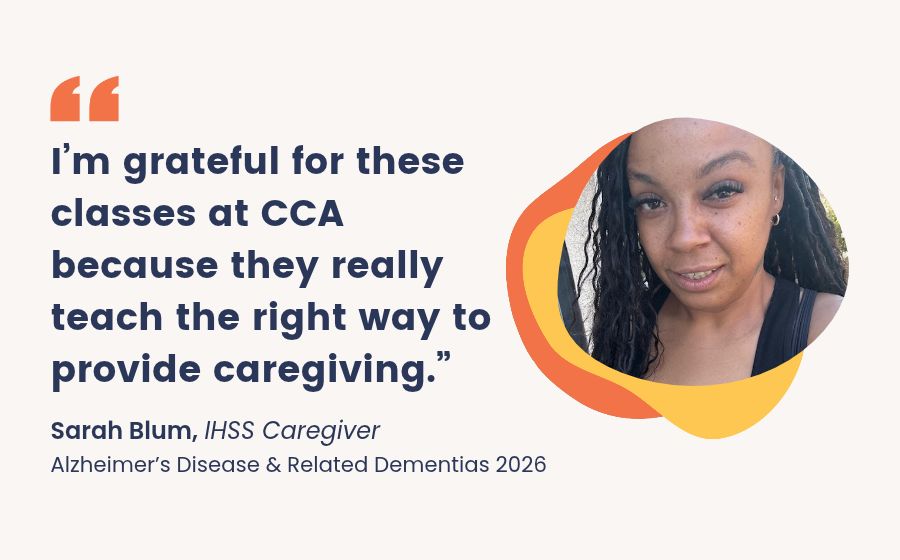
“I’m grateful for these classes at CCA because they really teach the right way to provide caregiving,” she says.
Sarah plans to remain in the caregiving field and continue learning. She is even exploring the possibility of becoming a Certified Nursing Assistant (CNA).
Her path reflects how caregiving careers can evolve. What began with caring for her own son led to caring for others—and training has helped her build the skills to do that work better.
For anyone considering a caregiving career or CCA training, Sarah offers this advice:
“The classes at CCA are very helpful! These classes are very educational, and I think they provide much-needed skills and knowledge for caregivers.”
Sarah’s experience shows what caregiver training can make possible: a caregiver who is not only willing to help, but better equipped to provide skilled, responsive and quality care.
Related Reading: https://advancecaregivers.org/dementia-training-for-family-caregivers/