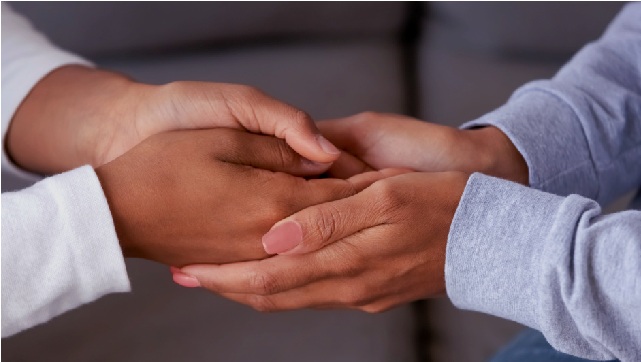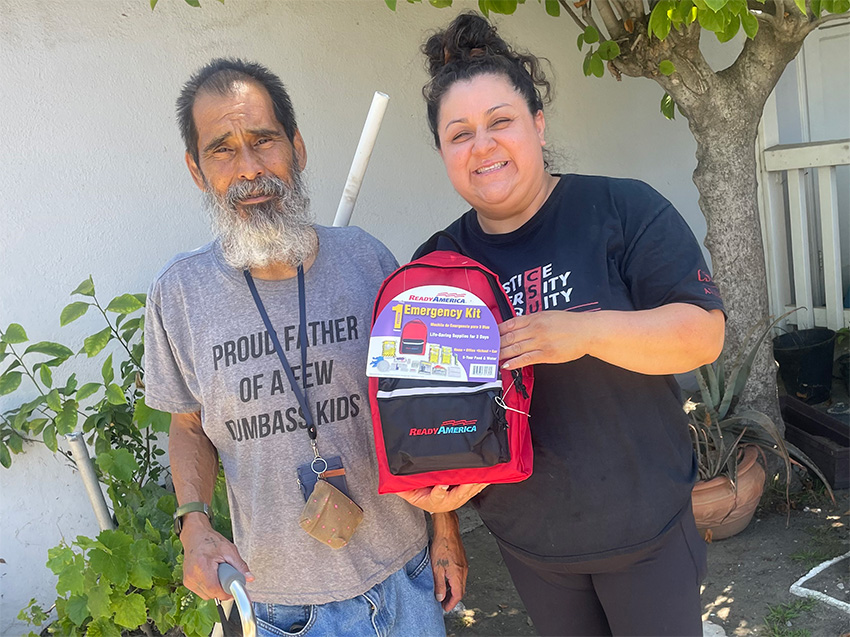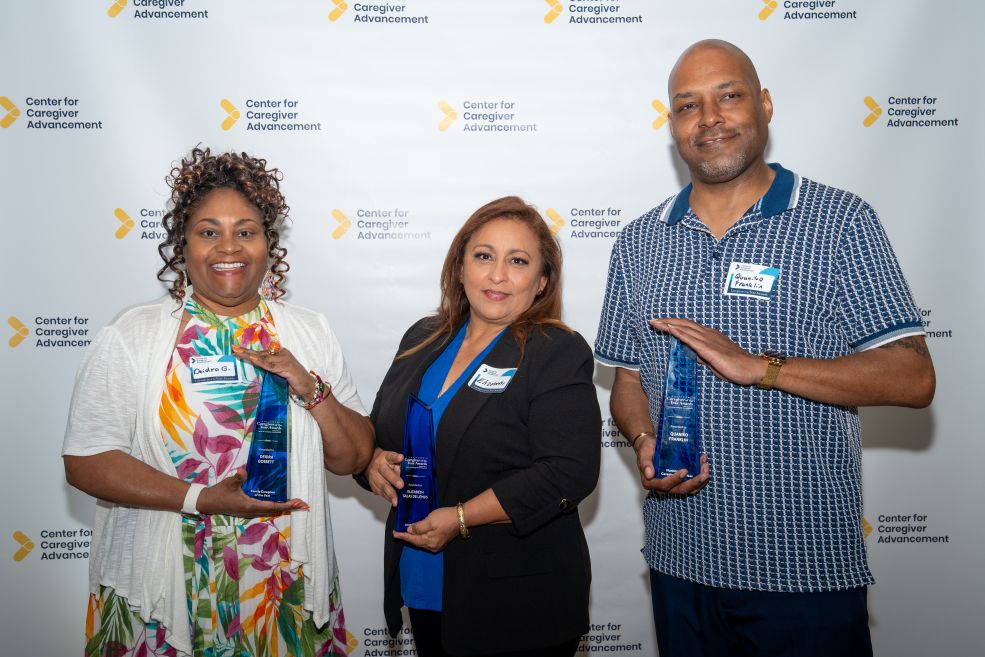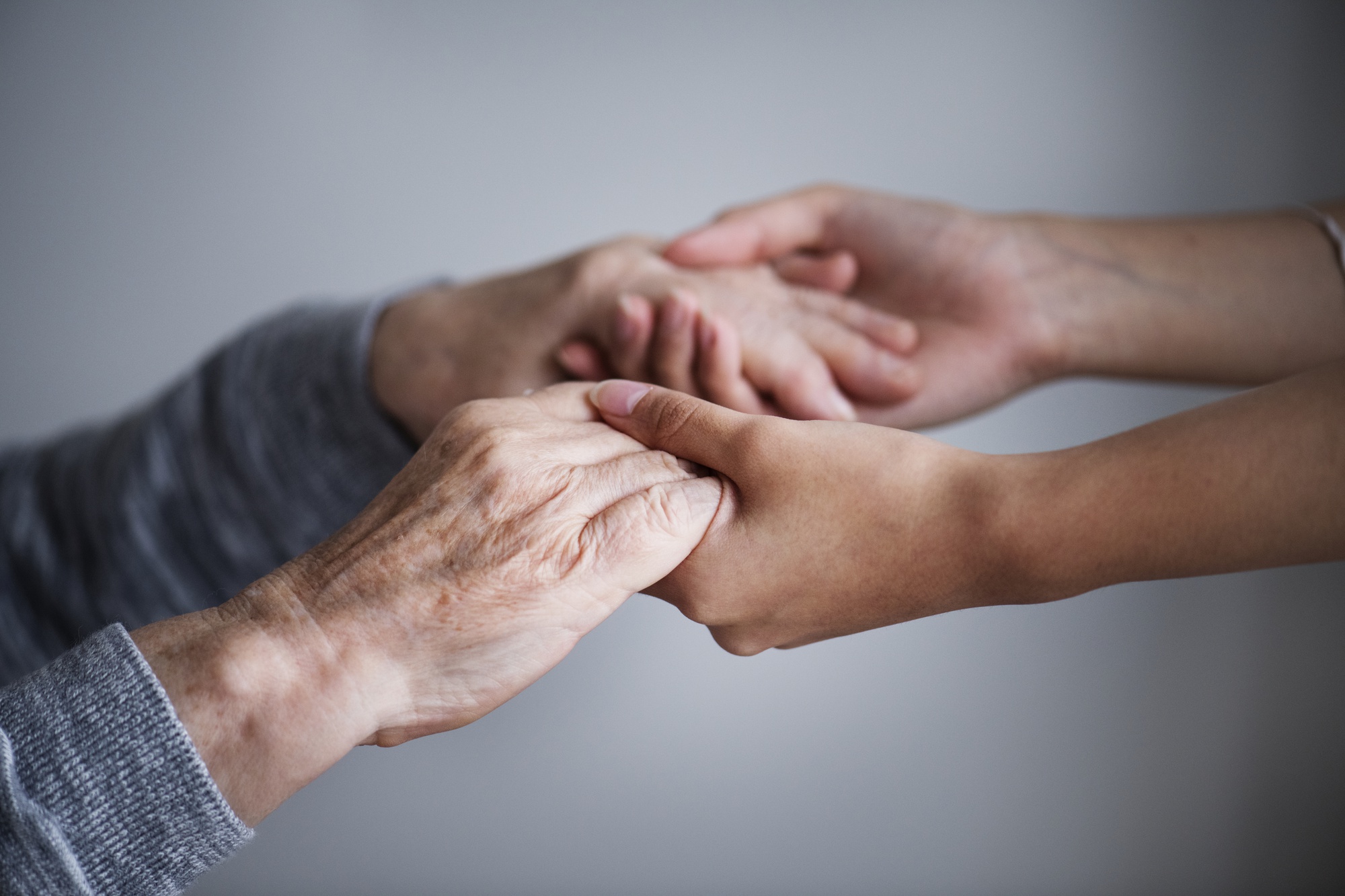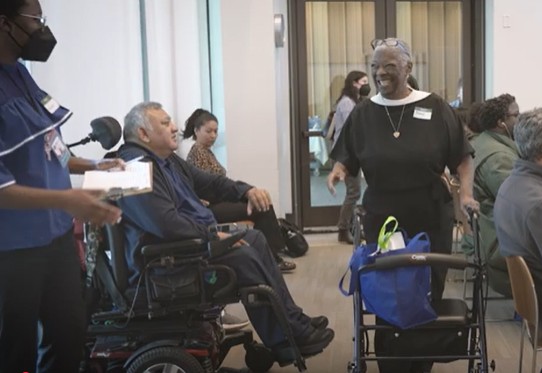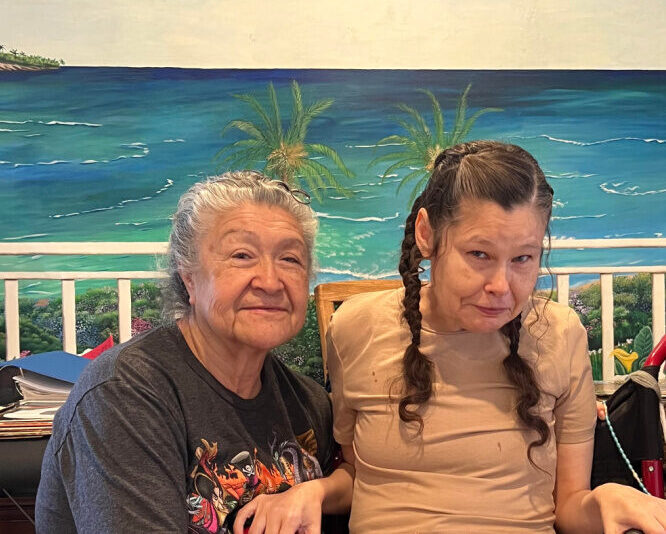
It is important to raise awareness about Alzheimer’s disease and show support for the more than 6.9 million Americans living with it. Enhancing awareness begins with an understanding that Alzheimer’s disease is a progressive brain disorder, and not a normal part of aging. Alzheimer’s has an enormous impact on a person’s wellbeing and quality of life as they age.
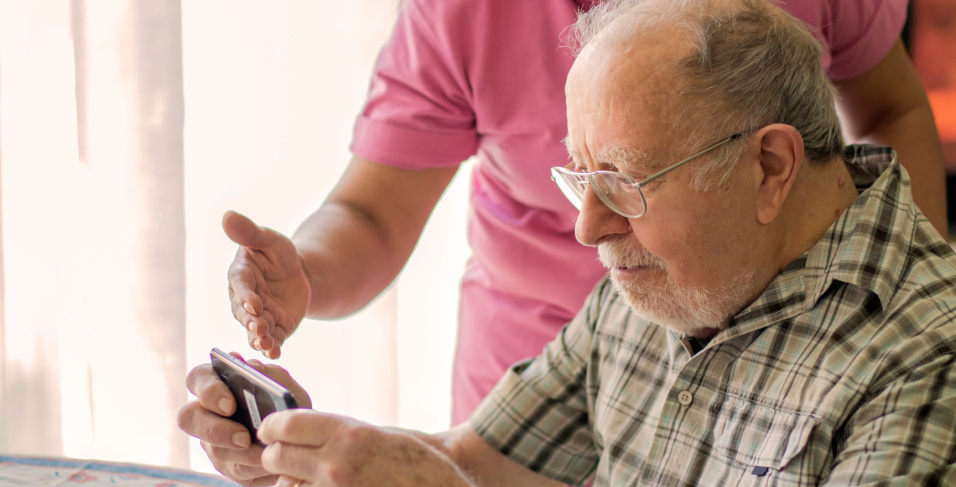
Over time, Alzheimer’s disease and related dementias (ADRD) impair a person’s ability to self-direct their care. This leads to the need for full-time support from one or more caregivers who take on a crucial proxy role. People with ADRD may display some common signs and symptoms that disrupt daily life, such as lasting memory loss, and changes in mood or behavior. Also, they may experience trouble with problem-solving, confusion, hallucinations, sundowning, and wandering.
In California, the prevalence of ADRD among adults aged 55 and older is currently estimated at nearly 720,000 – or 12% of older adults. That number is projected to increase by 127% by 2040, ballooning to over 1.5 million people in California with ADRD. As the population ages, the long-term care workforce must scale to support the daily care needs of the anticipated surge in ADRD cases.
A Closer Look at Caregivers and Care Recipients in California
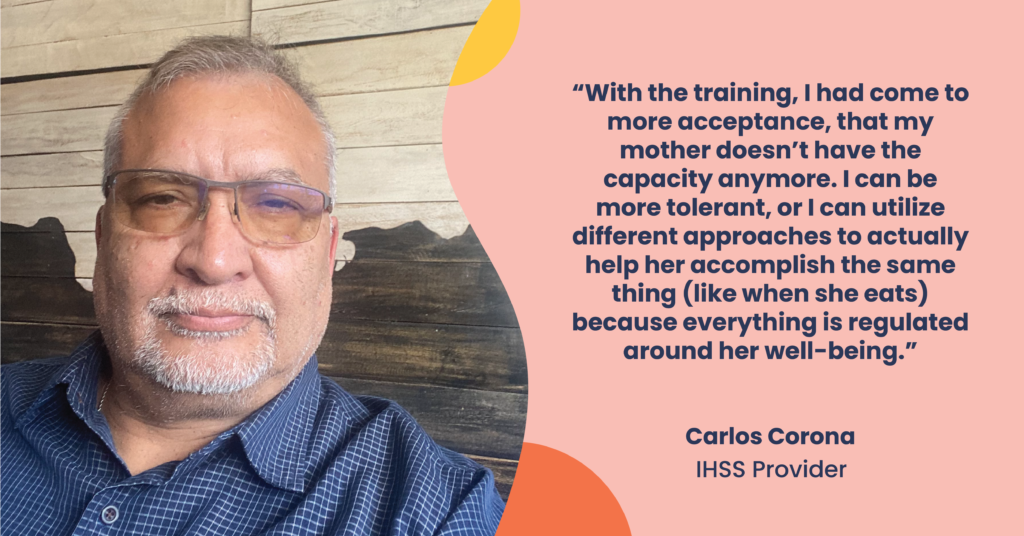
According to the California State Auditor, approximately 70% to 74% of the In-Home Supportive Services (IHSS) workforce in the state consists of family caregivers (spouses, children, or other relatives). IHSS caregivers are home care worker directly hired by consumers of California’s Medi-Cal-funded IHSS program. In some cases, consumers receive caregiver referrals through IHSS. In many cases, the consumer chooses to hire a family member as their IHSS caregiver. And the IHSS caregiver is paid wages through IHSS for their caregiving hours.
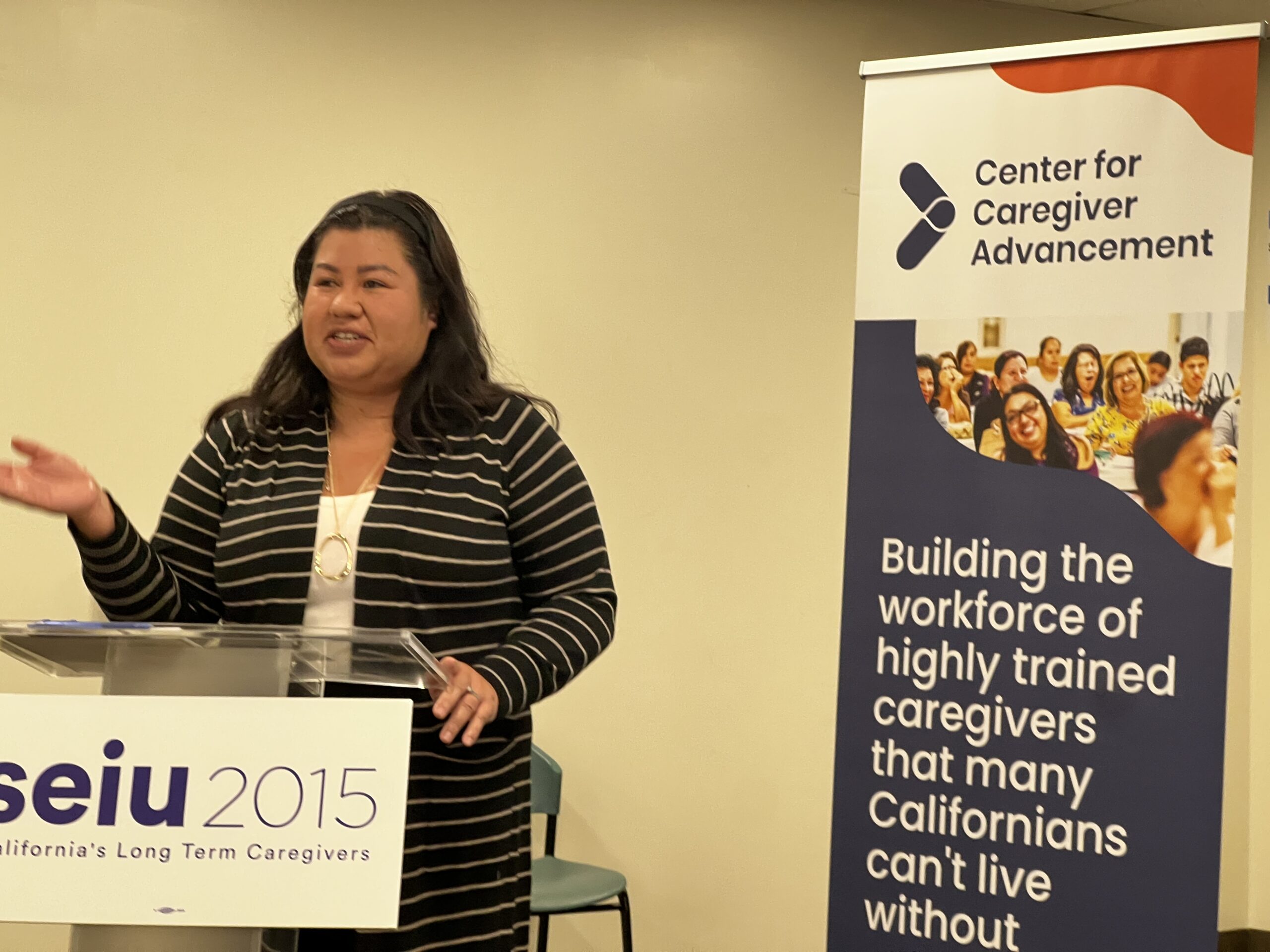
Caregiver data that is tracked by the Center for Caregiver Advancement (CCA) and managed care plans like L.A. Care Health Plan show that roughly 83% to 88% of IHSS caregivers are women. CCA data shows that over 66% of the care recipients are female.
ADRD Training for IHSS Caregivers
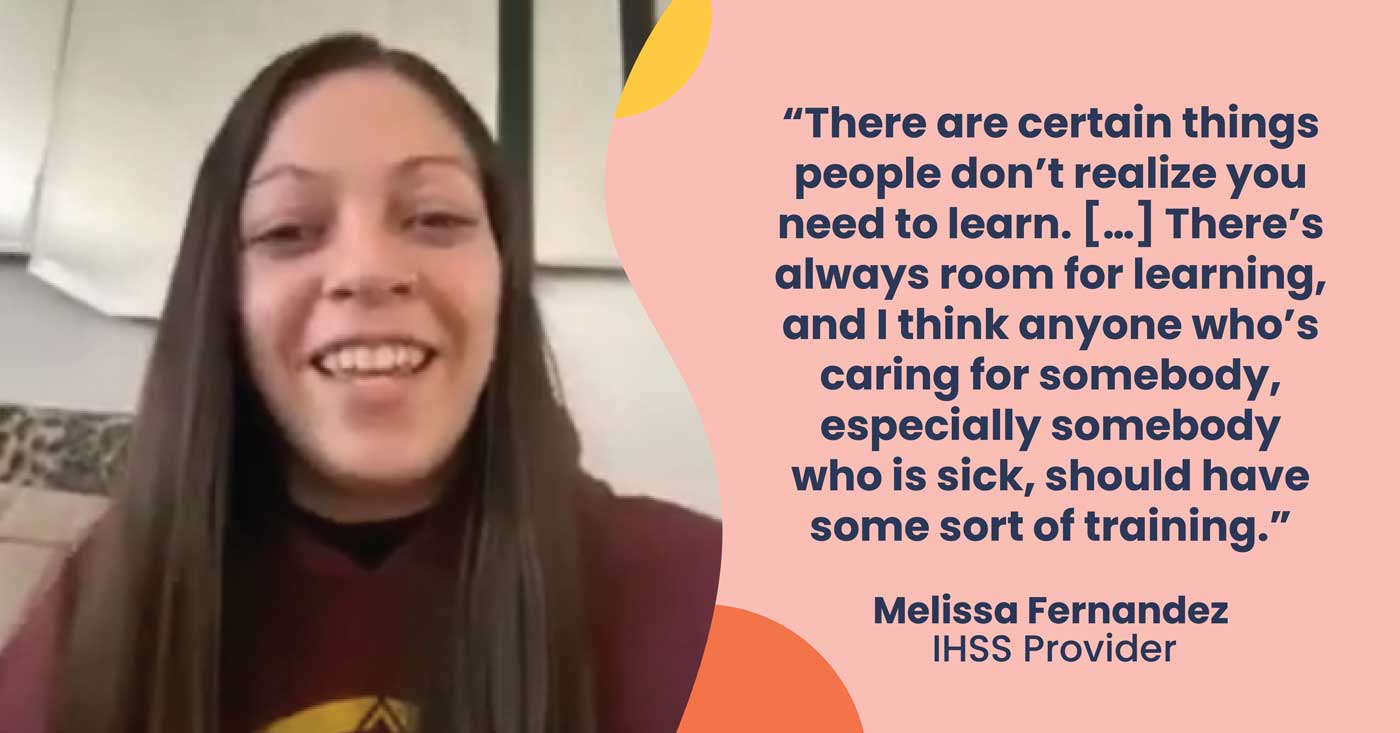
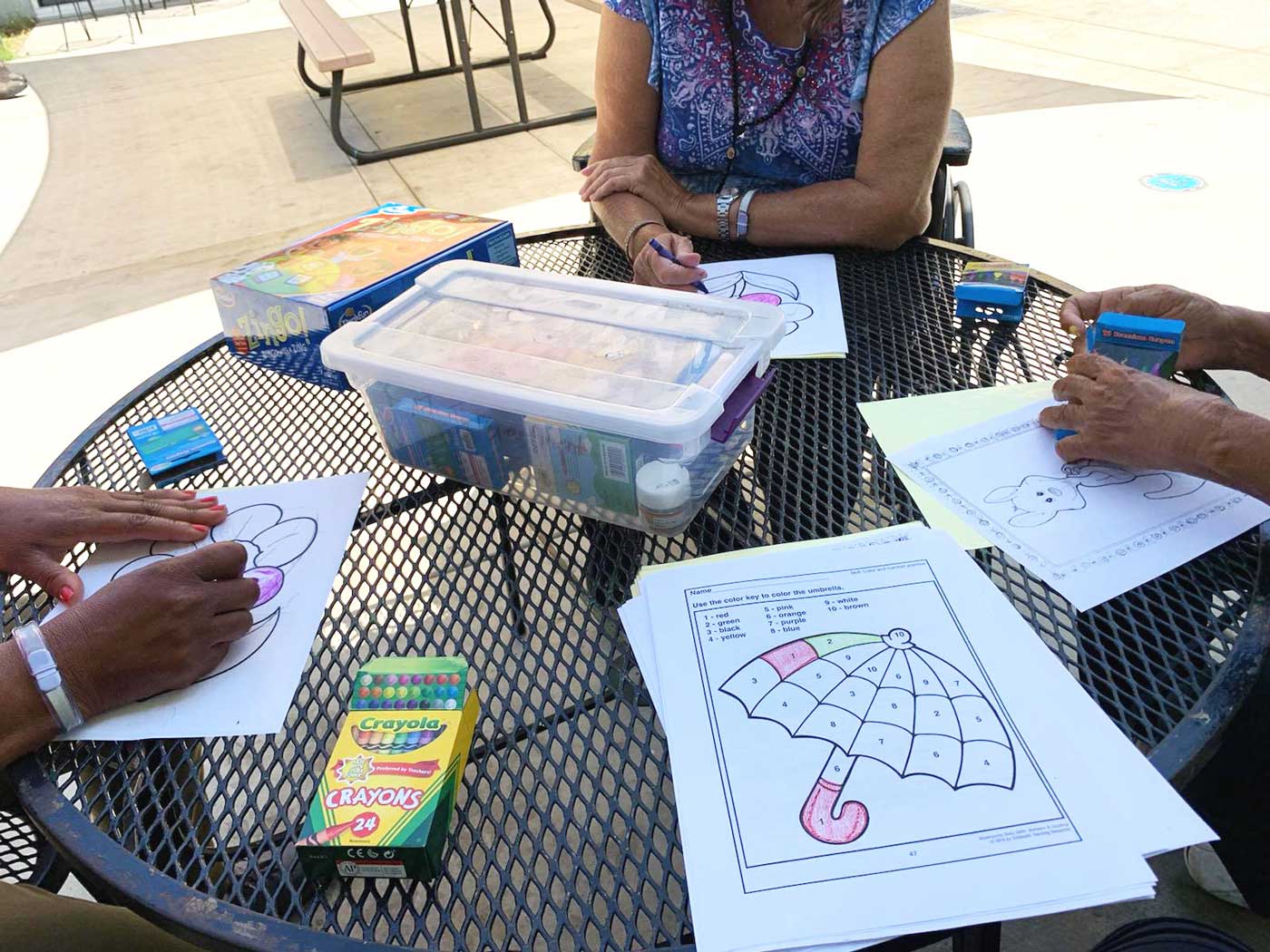
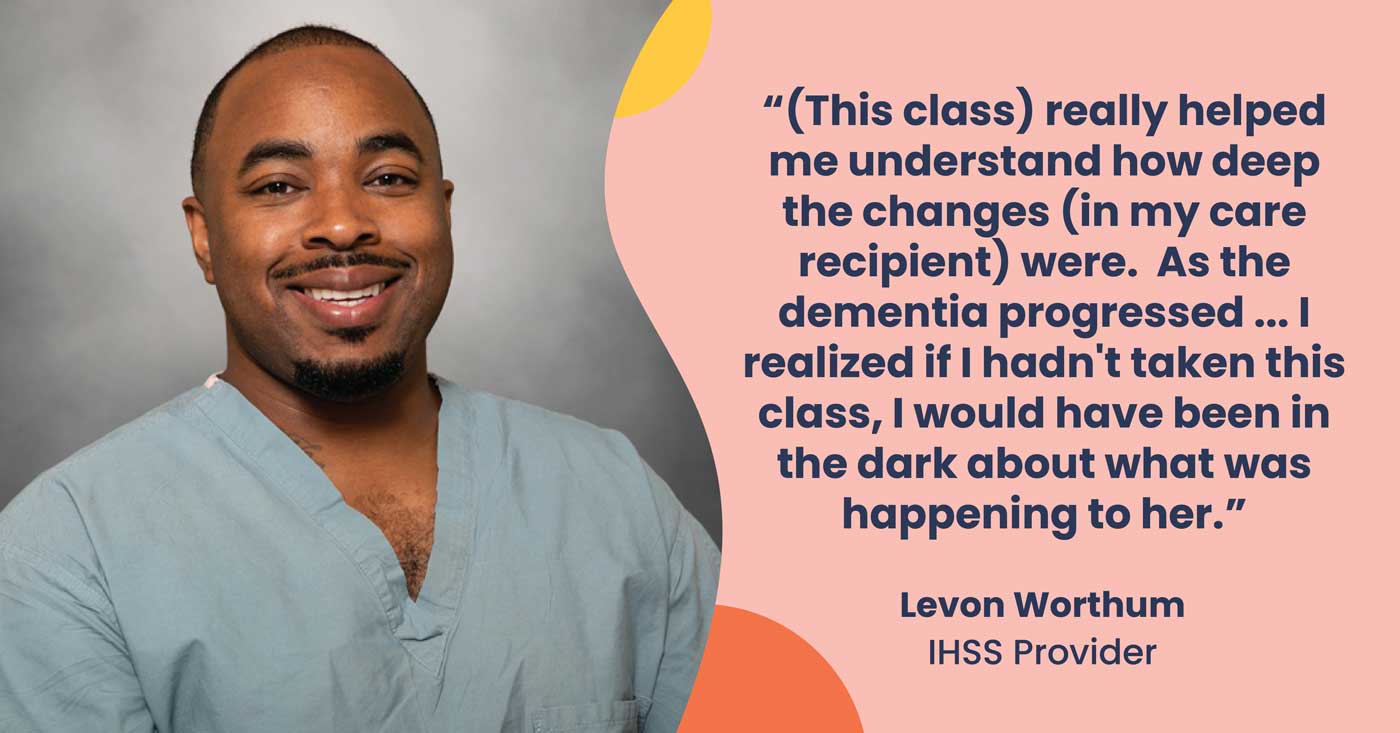
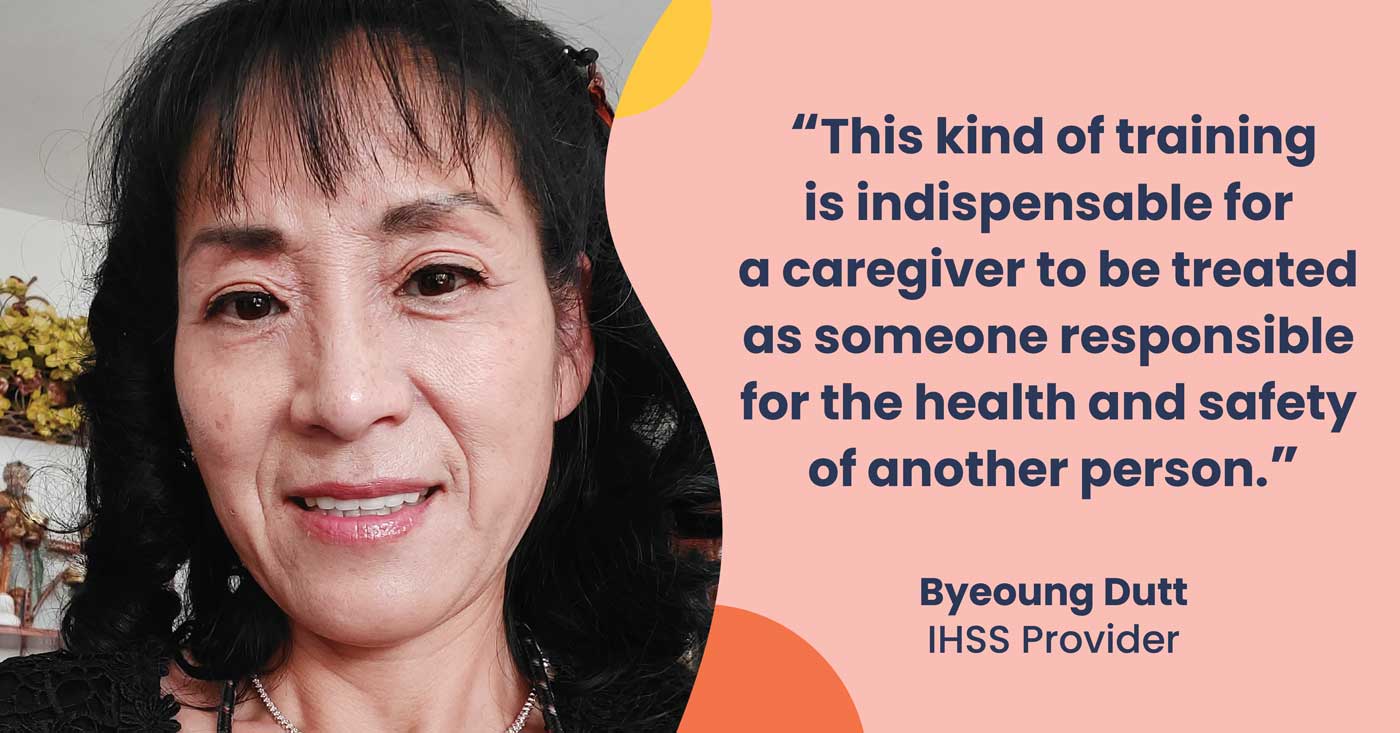
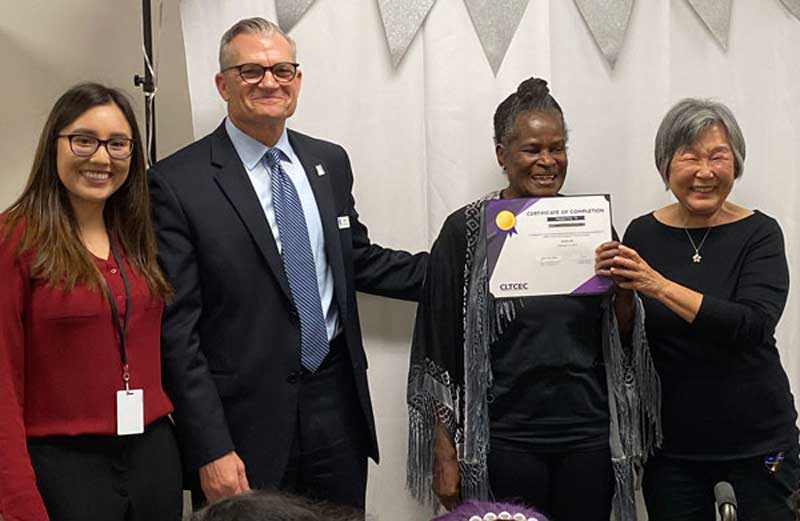
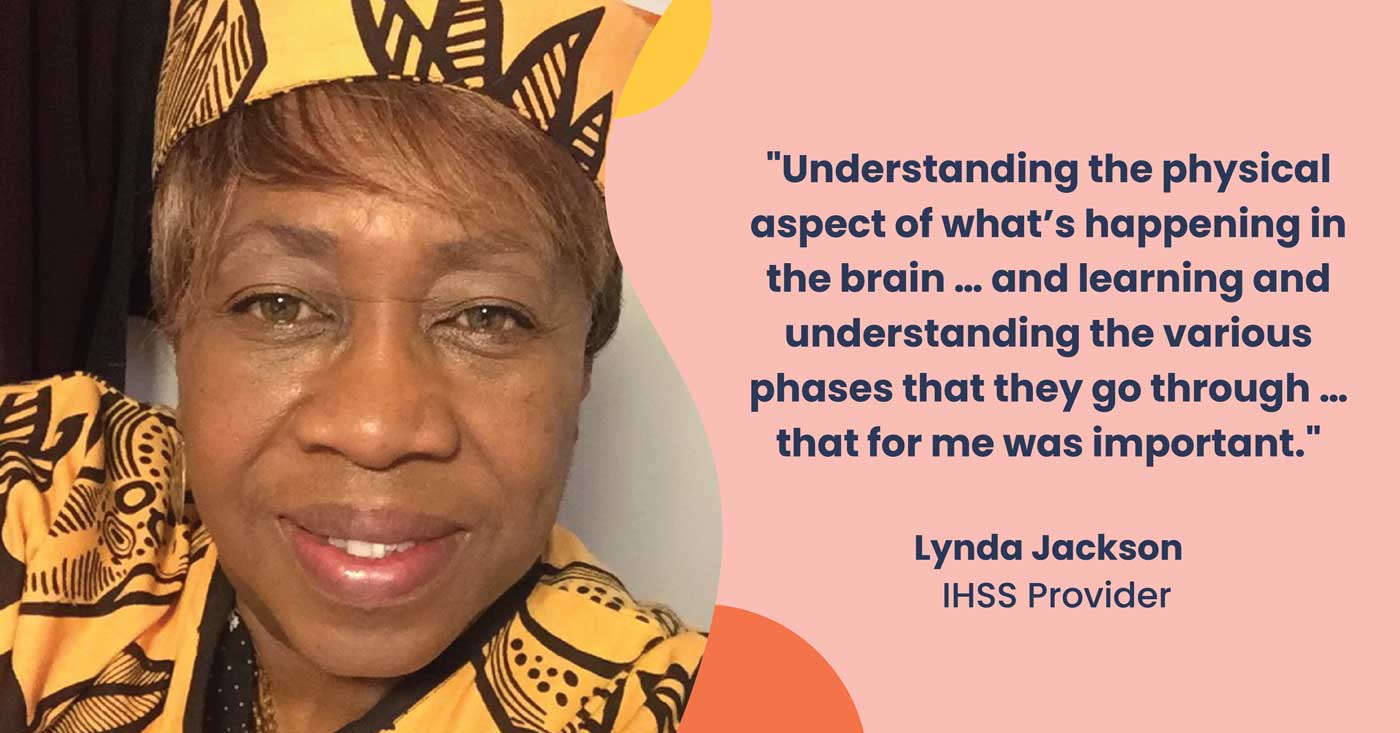
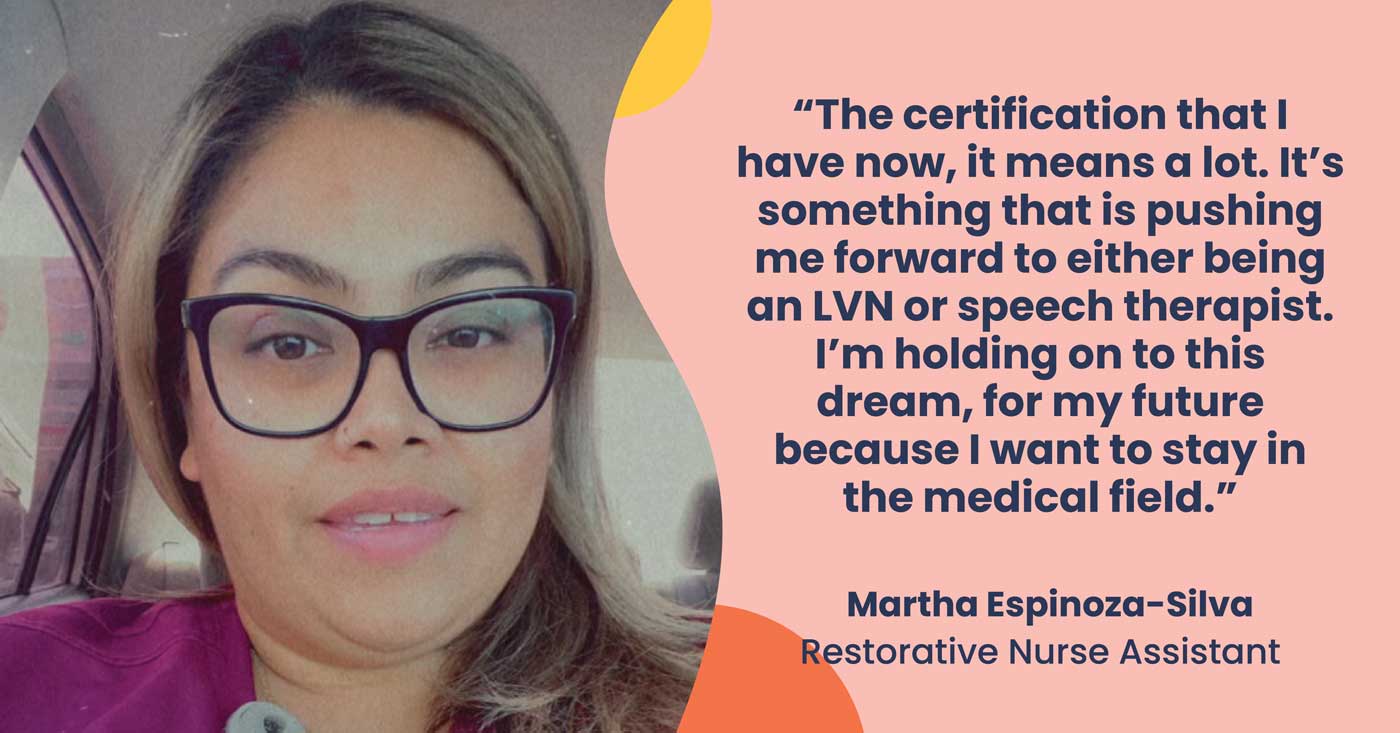
After a caregiver is qualified to work as an IHSS caregiver, they may become eligible to access training courses to develop the skills and knowledge needed to care for someone with Alzheimer’s and other dementias. In the IHSS Alzheimer’s Disease and Related Dementias (ADRD) course offered by CCA, IHSS caregivers learn essential caregiving skills. They also receive guidance on identifying Alzheimer’s.
Caregiver students learn how to deal with related symptoms and behaviors, and how to observe, monitor, document, and report changes for the family and health care team.
Explore the CCA ADRD training course here: https://advancecaregivers.org/ihss-alzheimers-disease-and-related-dementia/
According to a study by researchers at the University of California, San Francisco (UCSF), benefits of CCA’s training include:
- 40% Increase in consumer satisfaction with their care
- 35% Increase in adherence to care plans
- 30% Reduction in hospital readmissions
- 25% Decrease in emergency room (ER) visits
- 20% Fewer complications for consumers with chronic illness
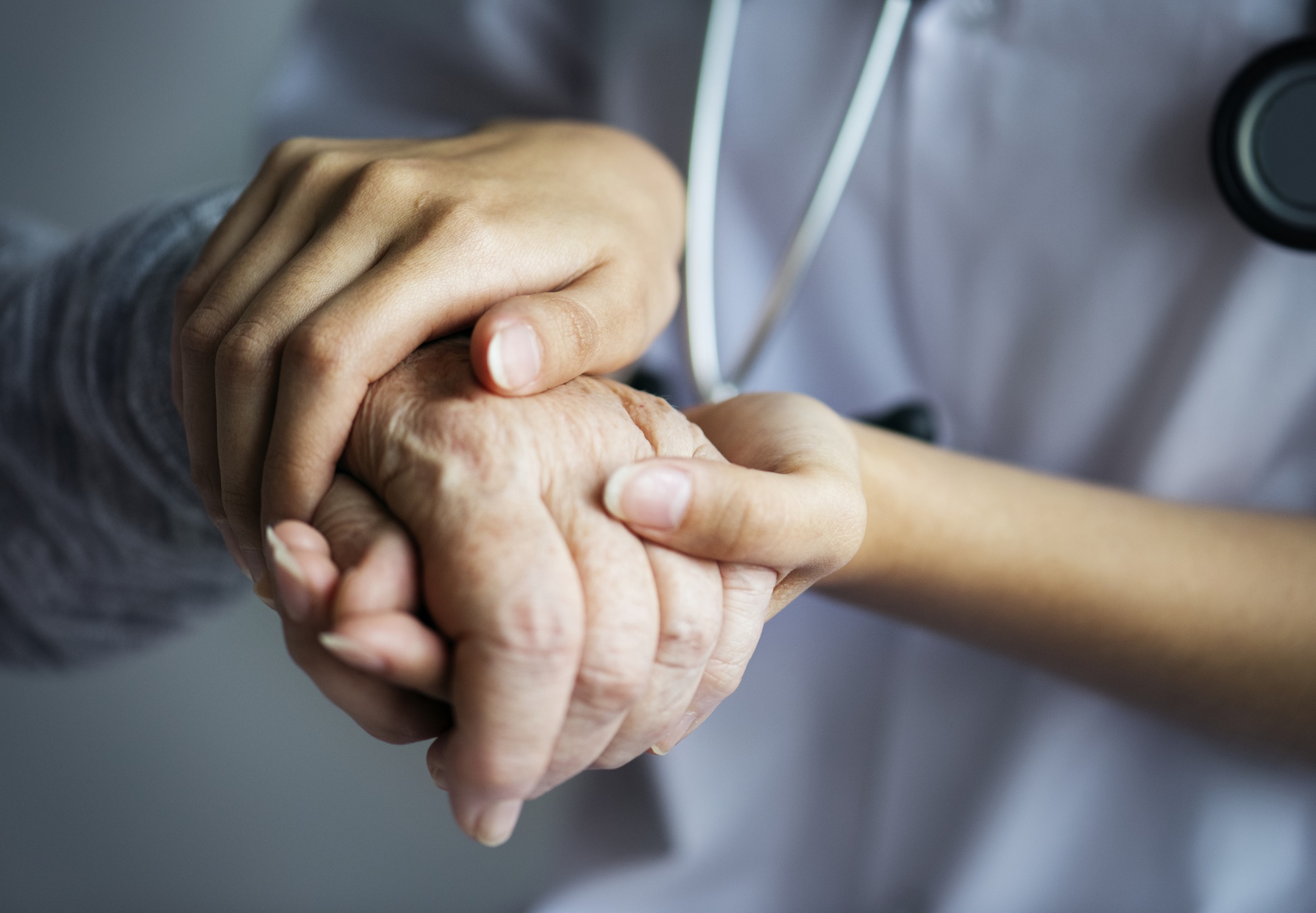
If you notice any of the common signs and symptoms of Alzheimer’s in yourself or someone you know, do not ignore them. Schedule an appointment with a doctor for an evaluation. With early detection, there are treatments available that may provide some relief of symptoms. This can help maintain a level of independence for a longer time. Additionally, a trained caregiver can provide support with tasks of daily living at home for continued independence as ADRD progresses.
Sources:
https://pmc.ncbi.nlm.nih.gov/articles/PMC9996798
https://www.mayoclinic.org/diseases-conditions/alzheimers-disease/symptoms-causes/syc-20350447